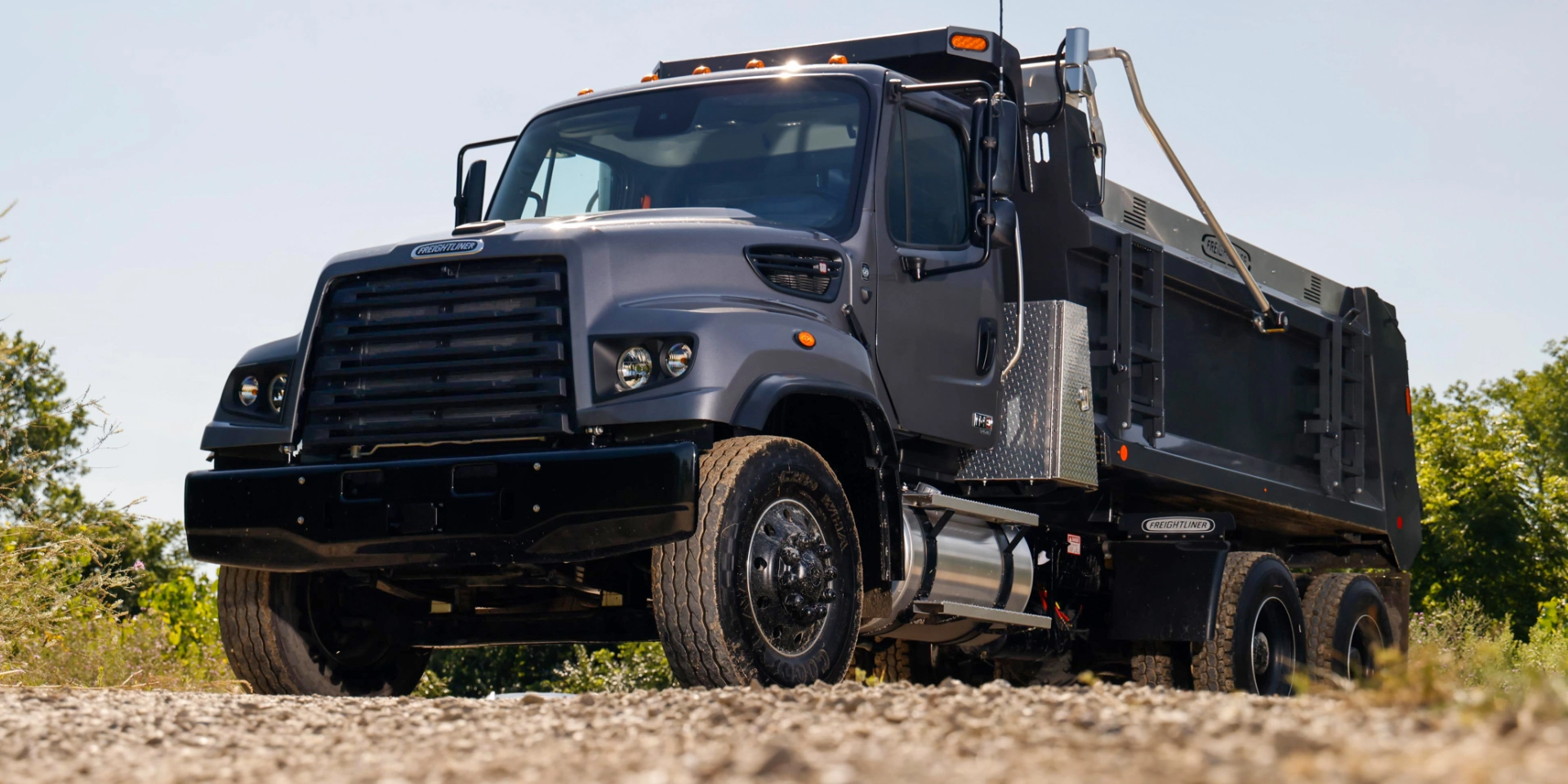
Dump & aggregate
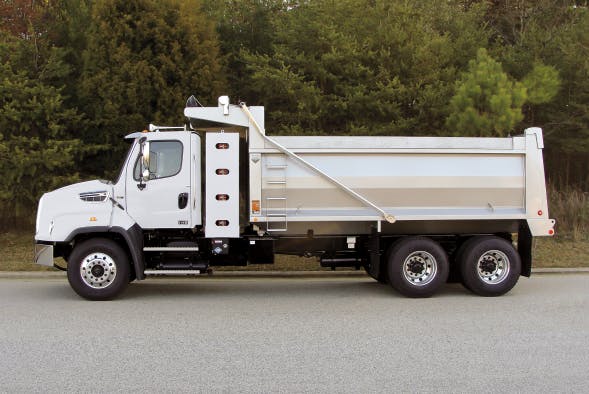
Match the body, material and loading equipment to the route and unloading site. Quarry-to-paving work and repeated short site movements can call for different gearing, weight distribution and equipment arrangements.
Freightliner / Class 7–8 / Severe-Duty
Built for the load. Ready for the job.
Model overview
Sales resources
Discuss specifications, body applications, availability, and ordering with our commercial truck team.
Severe-duty applications
Road travel is only part of the assignment. Plan the load, body, equipment cycle and site access together. These are application starting points; the body supplier and approved completed-vehicle specification determine suitability.
Match the body, material and loading equipment to the route and unloading site. Quarry-to-paving work and repeated short site movements can call for different gearing, weight distribution and equipment arrangements.
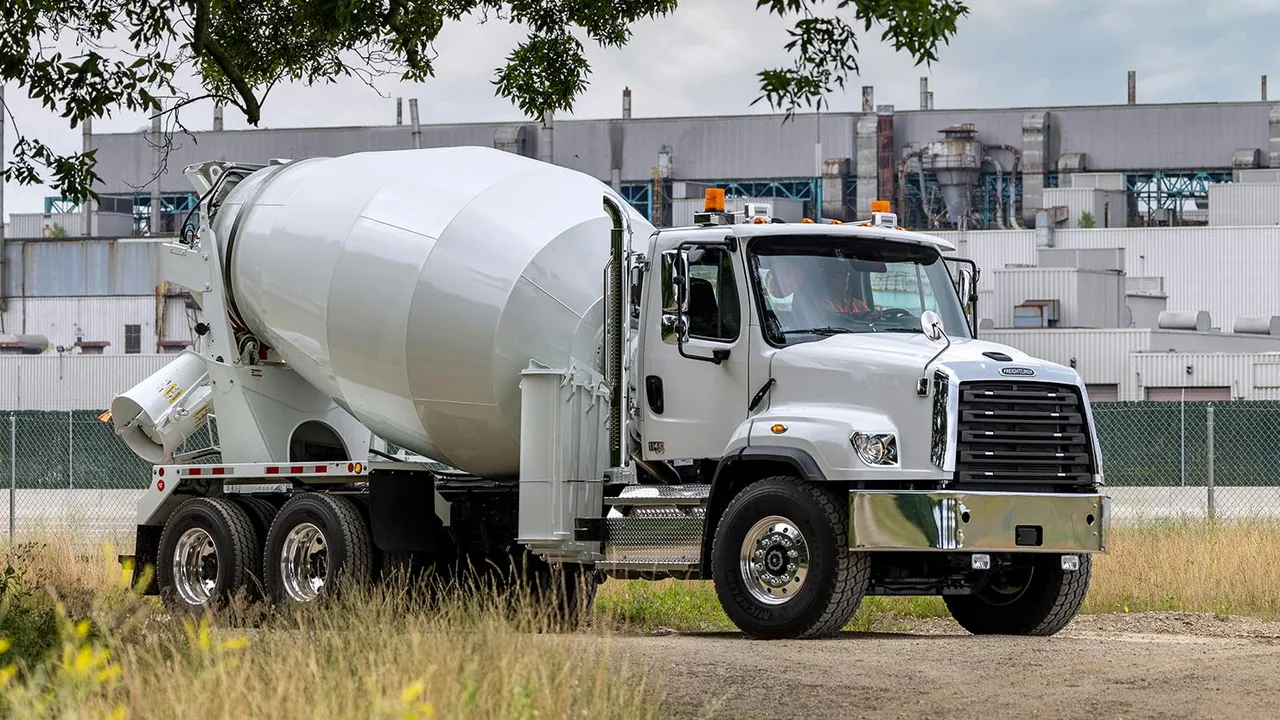
Begin with the mixer or paving-support equipment and the fully loaded vehicle. Review how the truck approaches, waits and moves with the operation, including transmission and equipment-drive requirements.
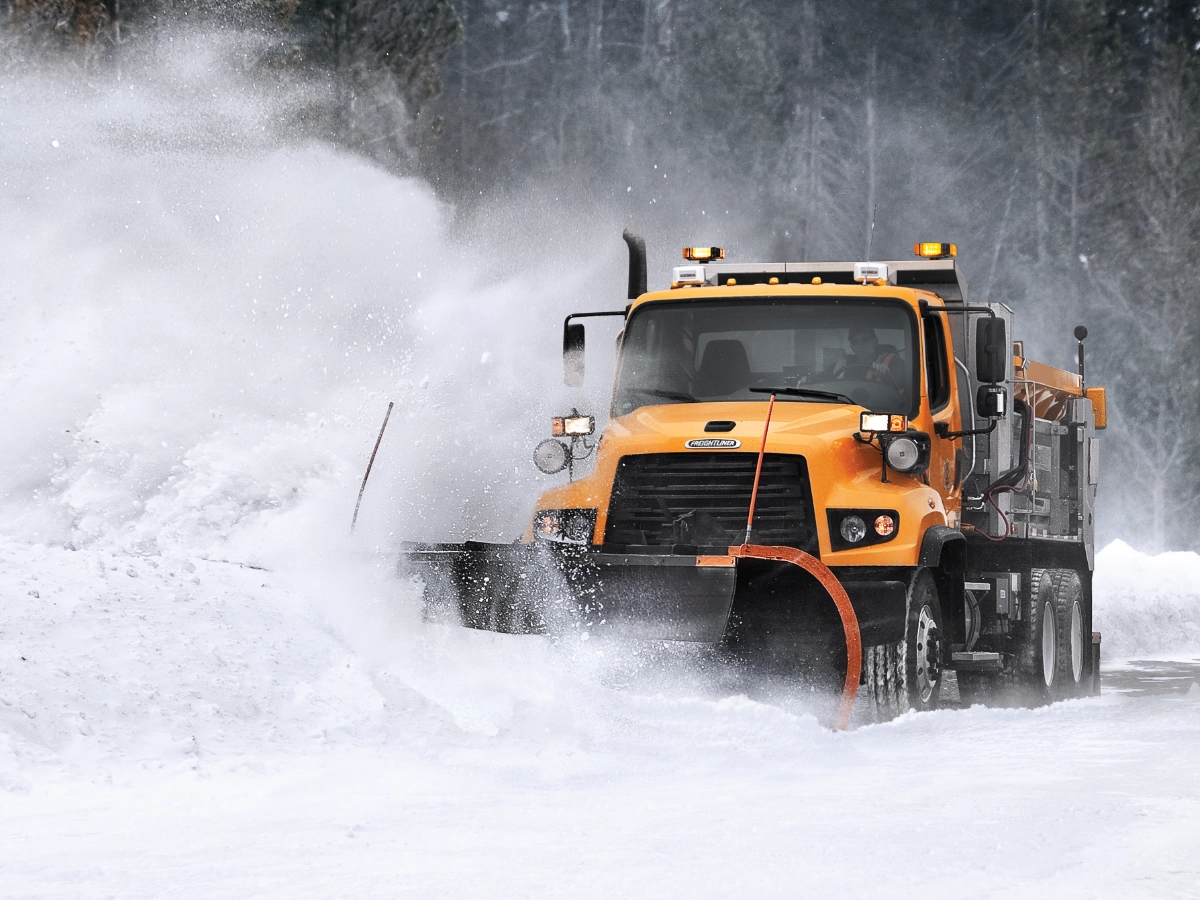
Plan plows, spreaders, hydraulic demands and the operator’s controls alongside the rest of the year’s assignments. Front-mounted equipment and seasonal loads belong in the original chassis discussion.
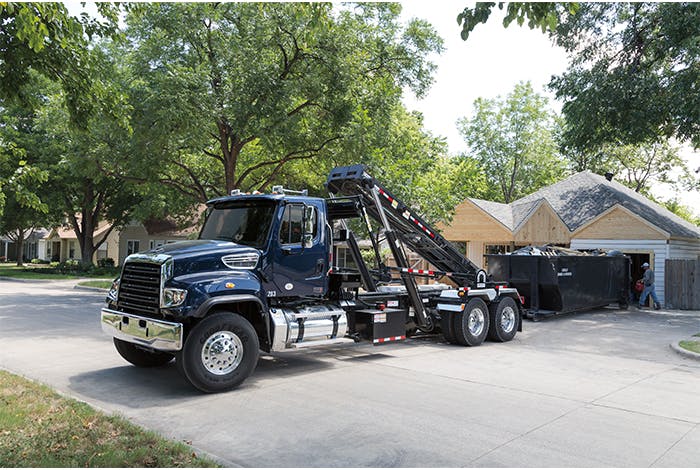
Review collection bodies, container handling, loading space and the equipment cycle at each stop. The finished truck’s dimensions and weight distribution need to suit the actual collection or roll-off operation.
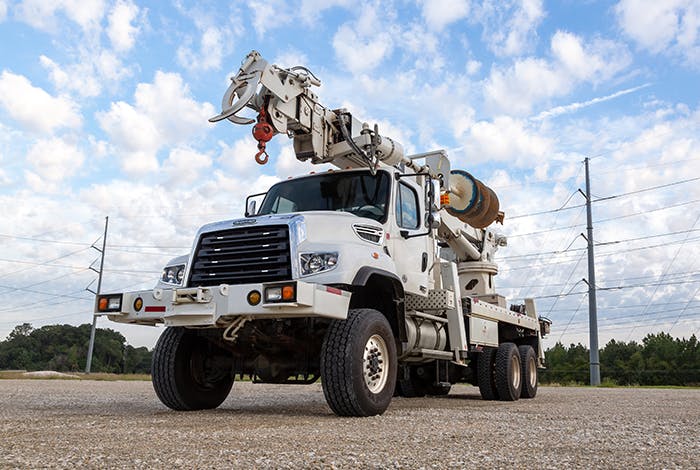
Bring crew needs, tool storage, mounting and equipment-drive requirements together. For cranes, aerial devices and digger derricks, the equipment manufacturer’s engineering requirements guide the completed vehicle.
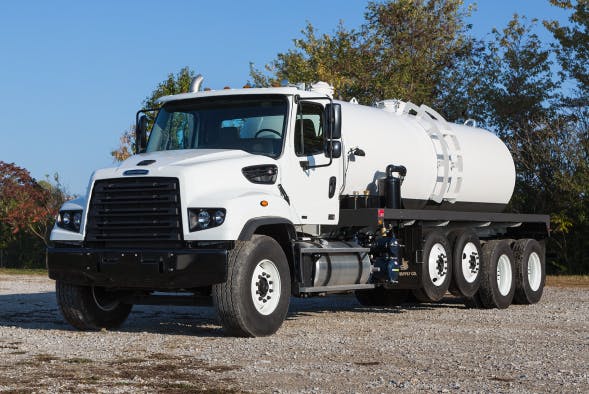
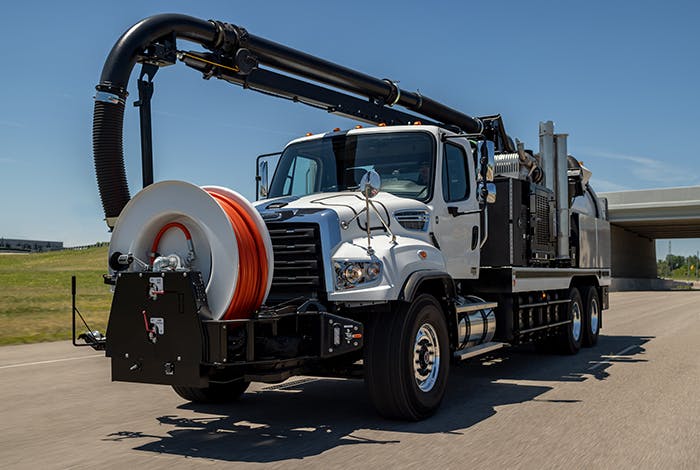
Start with the material, equipment weight and operating cycle. Tank volume alone does not determine the right chassis; include expected loads, equipment power and access at industrial or municipal work locations.
Frame, axles & body layout
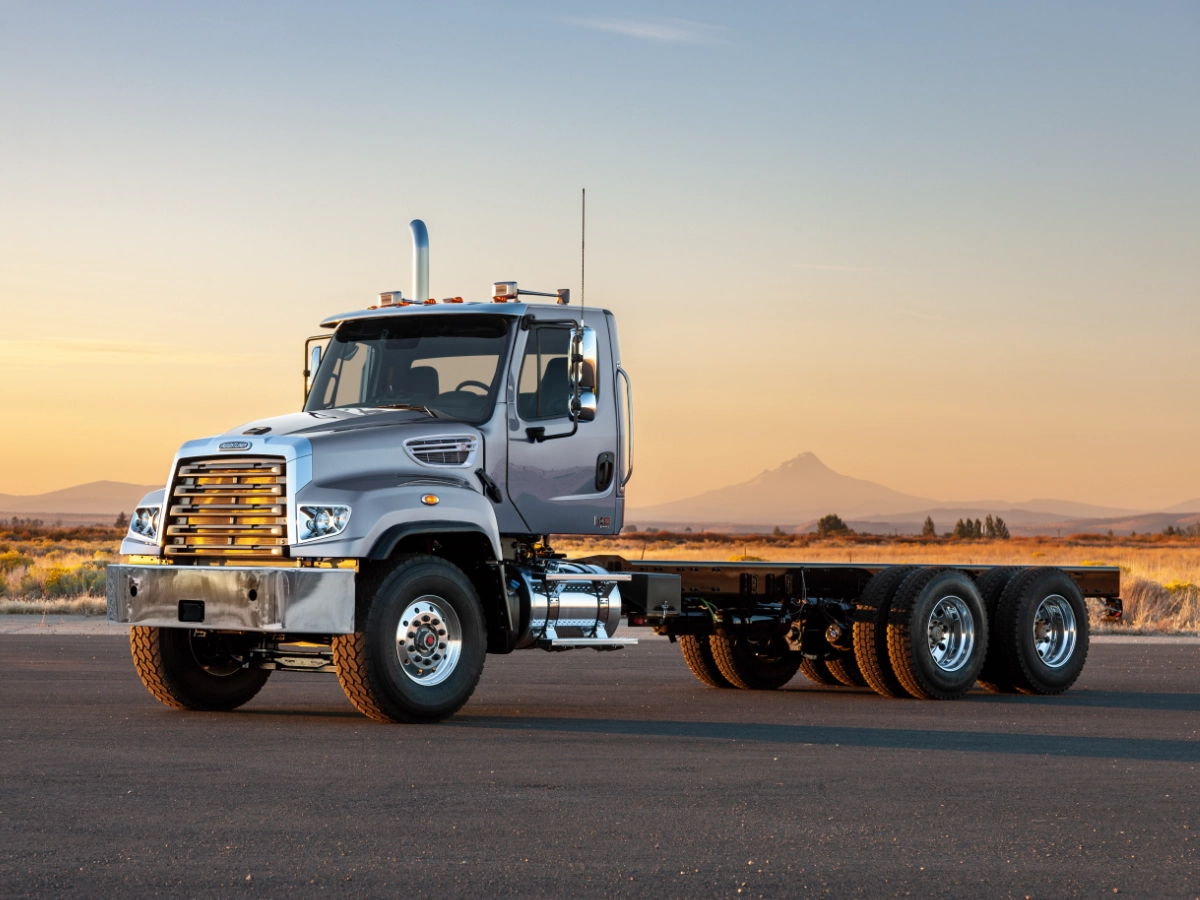
Multiple wheelbases, frame reinforcements and set-forward or set-back front-axle arrangements give you choices for the complete vehicle. Bring the body supplier into the discussion before settling on chassis length.
A high-capacity component does not establish the rating of the whole truck. Our Sales team can help review the approved combination against the load and equipment you intend to use.
QuickFit, CHEC & PTO
Describe which functions the operator needs, where the controls belong and when each action should be allowed. Your body builder must engineer, configure and validate the final installation.
A multiplexed electrical architecture provides accessible connection points, programmable switches and configurable interlocks. Plan compatible equipment such as tarp, tailgate and warning-light functions around the operator’s working sequence.
Supported electrical parameters and body functions can be viewed and configured through CHEC. Review the intended control layout and operator feedback early, especially when you want a consistent arrangement across similar fleet trucks.
Front-engine, rear-engine and transmission PTO possibilities depend on the powertrain. Bring the equipment’s speed, power and duty-cycle requirements, including whether it operates while parked, moving or both.
Engine, transmission & equipment demand
Freightliner lists Detroit DD13 and DD8, Cummins X12 and market-dependent Cummins L9 diesel choices. Review the current Canadian build, engine generation, transmission and PTO together. Ratings and component limits must suit the approved finished truck.
The DD13 Gen 5 is a 12.8-litre, six-cylinder engine. Detroit publishes an engine-family range of 370–525 horsepower and 1,250–1,850 lb-ft, with vocational ratings and compatible front- and rear-engine PTO provisions. Confirm the rating offered with your 114SD Plus chassis and equipment.
Review loaded road travel, site movements and equipment operation together. The highest output is not automatically the best match for the duty cycle or transmission.
ThermoCoasting helps retain aftertreatment temperature during a driving regeneration and is intended to reduce the need for parked regenerations. Regeneration and aftertreatment maintenance still apply.
The 7.7-litre DD8 is another diesel listed for the 114SD Plus. Variable cam phasing supports aftertreatment-temperature management, and compatible Detroit Connect Virtual Technician services provide diagnostic information.
A smaller-displacement engine may suit some applications when the load, equipment demand and expected use align. Describe road speeds, engine hours, idle time and auxiliary-equipment operation so the proposed rating can be assessed against the whole working day.
Ask Sales to confirm the current Canadian engine rating, transmission pairing and included connected-service equipment for your build.
Cummins positions the X12 for weight-conscious vocational applications, with engine-family ratings reaching 500 horsepower and 1,700 lb-ft. The output available in a particular 114SD Plus must be confirmed with the chassis and transmission specification.
When payload and chassis weight are priorities, compare the complete powertrain and body installation. Engine weight alone does not establish the payload of the completed truck.
Bring your body weight, expected load and equipment requirements so our team can review current Canadian availability and the combination appropriate to your operation.
Freightliner lists the Cummins L9 subject to operating jurisdiction and build requirements. Cummins’ on-highway L9 is designed for demanding commercial duty cycles, but eligible 114SD Plus ratings depend on the proposed chassis and market.
Review the route, equipment use and existing fleet requirements with Sales. We can help identify whether an L9 configuration is available for the Canadian vehicle you intend to order and how it fits the overall specification.
Engine, transmission, axle and PTO choices should be confirmed as a complete package.
Freightliner identifies Gen 6 DD13 availability for the 114SD Plus beginning in January 2027. DTNA opened Gen 6 engine specification ordering on September 1, 2026.
For an upcoming purchase, confirm the engine generation, available production timing and final Canadian specification with Sales. An order opportunity does not identify the engine fitted to a truck already in inventory.
Bring the timing of your replacement or fleet project into the discussion so the proposed generation, chassis and equipment can be reviewed together.
The DT12-V is a vocational automated manual transmission. Computer-controlled shifts and clutch engagement provide two-pedal operation with a transmission architecture intended for demanding work.
Review loaded starts, low-speed positioning and how the truck interacts with its equipment as well as the drive between sites. Available vocational modes depend on the installed transmission and programming.
Confirm engine-rating compatibility, PTO arrangements and the approved vehicle limits with the full specification. The operating instructions for the installed transmission govern how its functions are used.
Detroit identifies the DT12-VL as a lighter vocational transmission compatible with the DD13, including suitable mixer and dump applications. Its published weight is 125 lb lower than the DT12-V.
The DT12-VL has a published 1,650 lb-ft input-torque limit and supports gross combination weights up to 80,000 lb. Those limits are distinct from the 114SD Plus model’s headline engine and vehicle maxima. Review the rear-PTO arrangement and approved application with the complete build.
A lighter transmission is useful only when its rating, operating features and equipment compatibility meet the job’s requirements.
Freightliner lists Allison 3000 and 4000 Series automatics, Eaton Endurant HD and XD Pro automated manuals, and Eaton Fuller manual options for eligible 114SD Plus configurations.
Describe how the truck starts under load, travels between sites, positions around equipment and powers the body. Transmission selection should match the engine rating and working cycle, including any PTO requirements.
Our team can confirm the orderable Canadian pairing, gear selection and approved limits for the proposed chassis. Each transmission choice must be considered with the body and equipment installation.
Worksite manoeuvrability & visibility
A sloped hood, 2,500-square-inch windshield and wheel cut of up to 50 degrees support visibility and manoeuvrability. Steering capability depends on the selected wheel equipment and configuration.
The useful test is how the finished truck fits the places you work. Bring those constraints to Sales alongside the load and body requirements.
Three published cab configurations
BBC means bumper-to-back-of-cab. It is not usable interior length or the completed truck’s overall length. Confirm approved seating, storage and body clearance with the selected chassis.
114-inch BBC
The shortest published cab format provides a starting point for daily assignments focused on the driver’s workspace. Review the items that need to travel in the cab and the space required for the body.
140-inch BBC
Additional space behind the front seating area provides another layout to discuss. Decide how it needs to be used, then confirm the approved seating, storage and interior arrangement on the build.
162-inch BBC / set-back axle
A larger format for work involving additional occupants. Freightliner lists the crew cab with a set-back front axle only. Review approved seating and the completed body layout together.
Plus-series operator environment
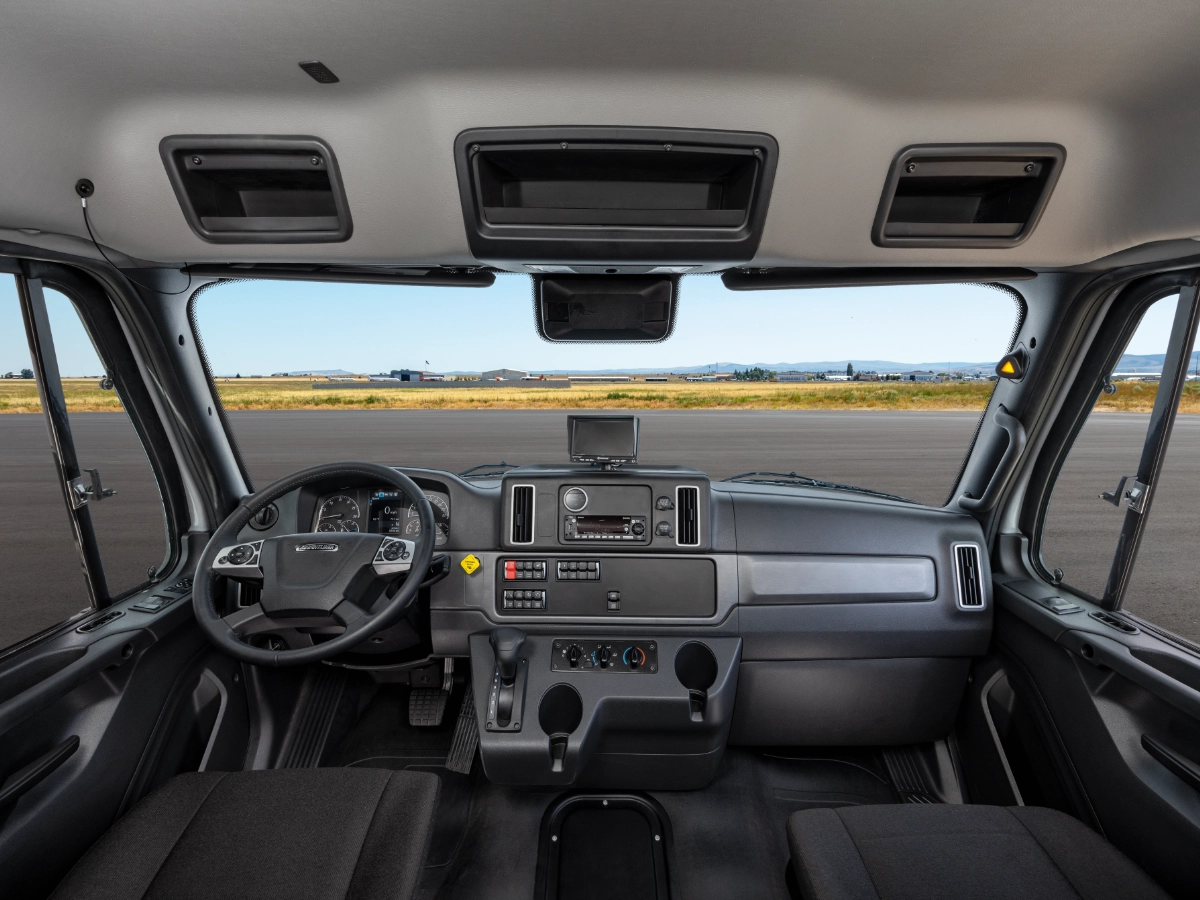
The Plus-series dashboard, instrument cluster and multifunction steering wheel bring vehicle information and frequently used controls around the driver. Review the switch layout for both road travel and equipment operation.
Work clothing, footwear and repeated entry are part of the application. Confirm the actual trim and seating package with the people who will use the truck.
Driver assistance & visibility options
The 114SD Plus offers Detroit Assurance with ABA 5 on eligible configurations. Assistance supports an attentive driver and has operating limits. Confirm the equipment, instructions and operator training for the actual truck.
The approved completed vehicle
Review the Canadian build sheet and body requirements together. GVWR describes rated total vehicle weight, not cargo capacity, a towing rating or the permitted weight on every route. The engine, transmission, chassis and body must be approved as a complete combination.
Freightliner publishes Class 7–8, 260–525 horsepower, 720–1,850 lb-ft of torque and up to 92,000 lb GVWR for the 114SD Plus model range. The selected engine, transmission, axles, frame and body determine the approved specification of an individual truck.
GVWR includes the loaded vehicle: truck, body, equipment, occupants and cargo. Usable payload requires the actual completed-vehicle weight and ratings. Route permissions and towing requirements need their own review.
Component maxima cannot be added together to establish a new truck rating. In particular, the DT12-VL’s published torque and gross-combination-weight limits must be respected when choosing the rest of the build.
The 114SD Plus offers multiple wheelbases, frame reinforcements and axle arrangements, including set-forward and set-back front-axle layouts. Crew cab configurations are listed with the set-back axle only.
Bring the body dimensions, mounting points, expected loaded weight and auxiliary equipment into the chassis discussion. Review clearance, load distribution and access to components before fixing the wheelbase.
A municipal plow, mixer, roll-off or crane installation can make different demands on the completed layout. Our Sales team and the body supplier can help establish the configuration appropriate to the assignment.
QuickFit provides a multiplexed electrical architecture with accessible connections, programmable switches and configurable interlocks. The Daimler CHEC Tool supports viewing and modifying eligible electrical configurations and parameters.
Plan which controls belong in the cab, which belong at the equipment and the conditions required before a function operates. Compatible dump-body functions can coordinate equipment such as tarps, tailgates and warning lights. Document the desired sequence and operator feedback with the body builder.
These capabilities support an engineered upfit. The installed functions and validation depend on the equipment, selected chassis and completed configuration.
A PTO supplies mechanical power to compatible auxiliary equipment. Front-engine, rear-engine and transmission PTO possibilities depend on the selected powertrain and approved application.
Provide the body supplier’s required operating speed, power demand and duty cycle. Identify whether the equipment runs while parked, while moving or both. Include hydraulic demands and any seasonal equipment that will share the chassis.
Review mounting space, controls, component access and servicing with the people who will build, operate and maintain the truck. PTO selection belongs in the initial specification alongside the engine and transmission.
Available functions depend on the DT12 vocational transmission, programming and build.
Off-Road Mode changes shift strategy to help maintain momentum on difficult surfaces. Rock-Free Mode provides controlled clutch response for specified wheel-stuck situations; recovery still depends on conditions.
Power Launch coordinates engine speed and engagement for loaded take-offs. Hill Start Aid briefly holds brake pressure during the transition to moving on a grade; it is not a parking brake.
Compatible Paver Mode supports smoother neutral-to-drive transitions during paving work.
Follow the installed transmission’s instructions and fleet site procedures. Review these functions against the route, load and equipment cycle before specifying them.
Published BBC dimensions are 114 inches for day cab, 140 inches for extended cab and 162 inches for crew cab. The crew cab is listed with a set-back front axle. BBC measures bumper-to-back-of-cab, not interior usable space or overall vehicle length.
The Plus interior includes a redesigned dashboard, instrument cluster and multifunction steering wheel, with updated seating, storage and cab insulation. Professional, Elite and Rugged trim choices offer different interior approaches. Confirm the package contents and approved seating.
Wide doors, grab handles, low step-in heights and LED step lighting support entry. Assess the finished access path with normal work clothing, footwear and any body equipment in place.
A sloped hood and 2,500-square-inch windshield support the view ahead. The published wheel cut is up to 50 degrees, depending on wheel equipment and configuration. Actual movement around a site also depends on wheelbase, body length and overhang.
Review mirror selection, equipment placement and access at loading points, yards and regular work locations. The complete body can affect sightlines, so include the finished truck in the visibility review.
Freightliner’s 114SD Plus specification lists halogen composite headlights. LED cab and step lighting serve separate parts of the operator environment. Confirm the lighting fitted to the proposed truck.
The 114SD Plus offers Detroit Assurance with Active Brake Assist 5 for eligible Detroit- and Cummins-powered configurations. Radar and camera information support warnings and braking in specified situations involving vehicles and moving pedestrians.
Adaptive Cruise Control can help maintain a following gap. Freightliner describes operation down to 10 mph on applicable builds, with operation down to a stop available when paired with a compatible Detroit engine and DT12 transmission. Confirm the operating range for the installed combination.
Lane Departure Warning alerts to detected unintentional departure without a turn signal; it does not steer the truck back. Available passenger-side Side Guard Assist provides object alerts. These systems have operating limits and supplement an attentive driver.
Freightliner’s current camera offering includes a standard backup camera, with a wiring-only preparation option for body installation. Optional front, left and right cameras can add views around the completed truck. Confirm the delivered cameras, display and mounting arrangement on the order.
The available Backup Alert package combines rear-camera information, a seven-inch touchscreen and proximity alerts. It is a passive warning system and does not automatically brake the truck in reverse. Confirm which display and sensor equipment is included in the selected package.
Available Bendix IntelliPark can apply parking brakes when supported conditions indicate that the driver has not secured the vehicle, and it provides status information. Cameras and parking aids support normal surrounding-area checks, correct parking procedures and the instructions for the installed equipment.
Compatible Detroit Connect services provide supported vehicle-condition and diagnostic information through the portal. Virtual Technician communicates selected faults and their seriousness to support the next service decision.
Where equipped and subscribed, Safety Event Viewer provides information about selected safety-system events for incident review and driver coaching. Decide who will review the information and how it fits the way your fleet manages maintenance and operators.
Confirm engine compatibility, installed hardware, included services, the length of the included term and any subscription costs. Continue to follow vehicle warnings and inspection requirements when a fault occurs.
The aluminium cab uses steel reinforcement and corrosion-resistant e-coat treatment. Protected electrical components and TufWrap harness protection address the demands on the structure and wiring. A properly installed body and appropriate component protection are also part of the completed vehicle’s durability.
An easy-tilt hood and visible fluid reservoirs support routine checks. Preserve access when toolboxes or auxiliary equipment are fitted, and include body-service requirements in the maintenance plan.
Discuss road travel, engine hours, idle time, equipment operation and environmental conditions with Service. Follow the engine, chassis, transmission and body manufacturers’ schedules, with preparation for seasonal work before the busy period begins.
Start with the assignment
An existing truck specification, body supplier’s drawing or list of changes to your current truck is a useful starting point. You do not need every component selected before speaking with Sales.
Share the material, load, road travel, site conditions and seasonal roles. Include how often the truck operates equipment and the places where it must manoeuvre.
Provide body drawings, equipment weights, mounting and PTO requirements. Review approved seating, controls, storage and the service access the finished truck needs.
Review the engine generation, transmission, chassis and body as one specification. Discuss Canadian availability, quantity, replacement plans and the timing of your operation.
Current inventory & order enquiries
Check available 114SD Plus trucks or ask Sales about incoming units and order opportunities. Review each truck’s actual engine, transmission, axle ratings and body against the work you need it to do.
Inventory is being updated.
Ask our sales team about available and incoming units.
Francis Canada Truck Centre
Plan the purchase and the truck’s working life together. Have the VIN, body identification and equipment details ready when discussing support for a specific vehicle.
Bring the assignment, load, equipment and timing. Our team can help work through the chassis, powertrain, cab and completed-vehicle questions that matter to your application.
Buying & operating FAQs
Use these answers to prepare for a discussion with Sales, the body supplier and the operators who will use the truck.
The 114SD Plus is a Class 7–8 severe-duty platform for construction, municipal, refuse, utility and other equipment-focused work. Its body, chassis and powertrain are selected together for the assignment.
Freightliner publishes a model range of 260–525 horsepower and 720–1,850 lb-ft of torque. These figures cover several configurations. Confirm the engine rating and approved pairing on the individual truck or Canadian order.
No. GVWR is the rated total vehicle weight, including the truck, body, equipment, occupants and cargo. Usable payload depends on the completed truck’s weight and approved ratings. It is also separate from towing limits and route-specific operating permissions.
Freightliner lists Detroit DD13 and DD8, Cummins X12 and market-dependent Cummins L9 diesel choices. Model year, Canadian availability, engine generation and component compatibility determine the final options for your application.
No. Freightliner identifies Gen 6 DD13 availability beginning in January 2027. DTNA opened Gen 6 specification ordering on September 1, 2026. Ask Sales to confirm the generation and build timing; an ordering date does not establish the engine fitted to an inventory truck.
The DT12-VL is a lighter vocational choice for suitable weight-conscious applications. Detroit publishes different torque, gross-combination-weight and PTO limits, so it is not interchangeable with the DT12-V in every build. Review the transmission with the engine, equipment and completed-vehicle requirements.
Freightliner lists Allison 3000 and 4000 Series automatics, Eaton Endurant HD and XD Pro automated manuals, and Eaton Fuller manuals alongside the Detroit vocational choices. The available pairing depends on the engine, chassis and application.
Yes. The published range includes a 114-inch BBC day cab, 140-inch extended cab and 162-inch crew cab. The crew cab is listed with a set-back front axle only. Confirm approved seating and the finished body layout with Sales.
QuickFit provides the electrical architecture for compatible body equipment, programmable controls and interlocks. The Daimler CHEC Tool supports configuration of eligible functions. Your body builder must engineer, configure and validate the completed installation.
The 114SD Plus is included in Freightliner’s municipal lineup. A plow, spreader or other seasonal build needs a review of mounted equipment, hydraulic demands, operator controls and the completed vehicle. Include the truck’s year-round duties when developing the specification.
No. The 114SD Plus offers Detroit Assurance with ABA 5 on eligible configurations, but the fitted functions and operating limits vary. ACC capability also depends on the engine and transmission. Review the actual build sheet and operating instructions with your drivers.
No. The Backup Alert package provides camera information and proximity warnings rather than automatic reverse braking. Freightliner’s current offering includes a standard backup camera, with optional front and side views and a wiring-only preparation choice. Confirm the delivered camera, display and sensor package for the finished truck.
Freightliner describes natural-gas configurations within the 114SD Plus range. Ask Sales about the separate offering, engine, fuel storage, body packaging, maintenance support and current Canadian availability. A natural-gas build requires its own specification.
Walkaround
6 photos
Start with the job you need done
Tell us what the truck will carry, the equipment it will operate and the conditions it needs to handle. Our Sales Department can help turn those requirements into a complete 114SD Plus specification.