
Dump & aggregate
Plan the loaded trip from quarry to jobsite, the approach to the tipping area and the hydraulic work at the destination. Review body weight, axle loading, traction and service access together.
Western Star / Class 8 / Vocational
Built for the load. Sized for the job.
Model overview
Sales resources
Discuss specifications, body applications, availability, and ordering with our commercial truck team.
Vocational applications
The body, load and operating cycle shape a useful 47X specification. Bring the equipment supplier’s requirements and the constraints of your regular jobs into the first conversation.
Plan the loaded trip from quarry to jobsite, the approach to the tipping area and the hydraulic work at the destination. Review body weight, axle loading, traction and service access together.
Start with the drum or concrete-placement equipment, water, material and mounted systems. Coordinate loaded capacity, power demand and the working space around the finished truck.
Account for the crane, outriggers, storage and material deck before finalizing the chassis. Review site positioning and the engineered lifting arrangement with the equipment supplier.
Define the plow, spreader or other seasonal equipment along with the truck’s year-round work. Discuss front PTO needs, frame packaging, underbody clearance and access for winter maintenance.
For truck or tractor applications, review the trailer or body, loaded route and discharge equipment. Match engine rating, transmission, PTO arrangement and fuel capacity to the full assignment.
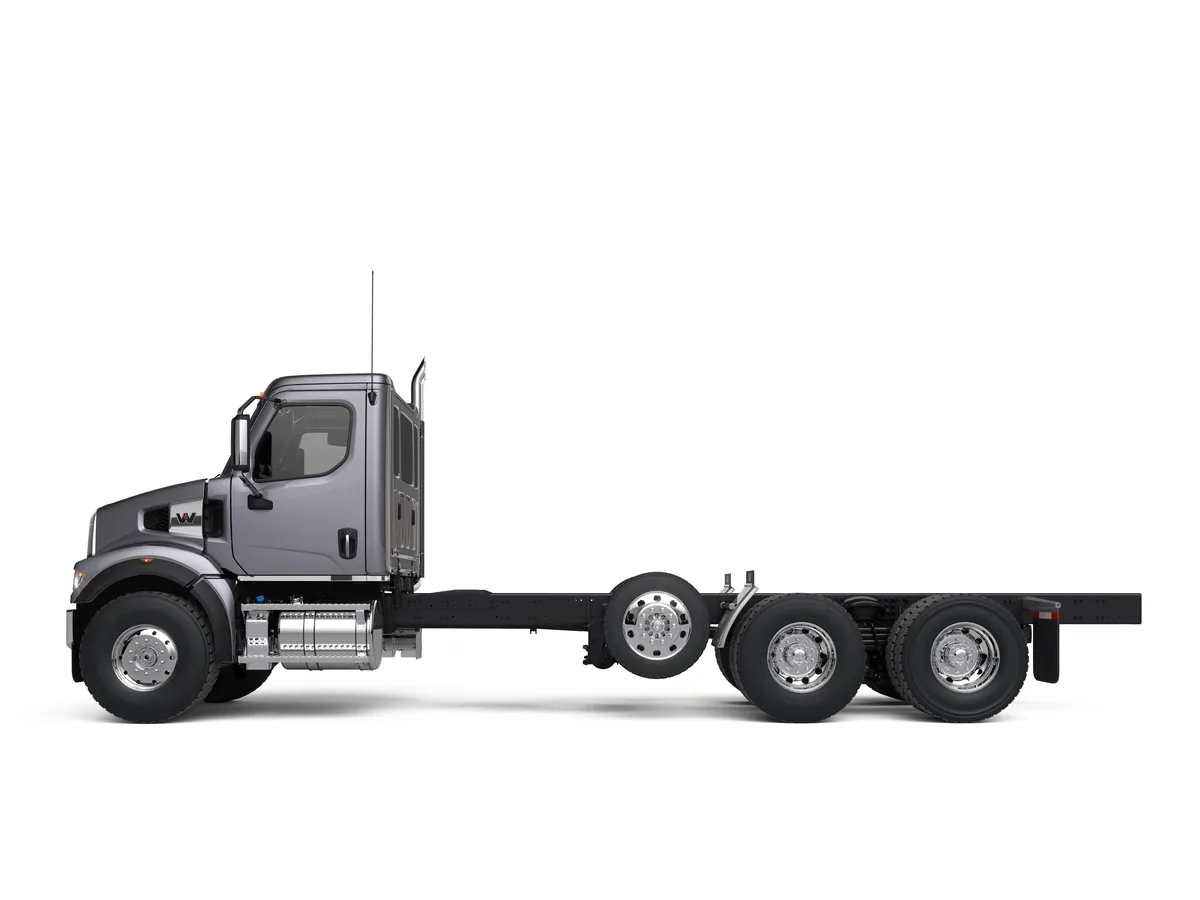
Short hood. Deliberate packaging.
The standard 111.6-inch BBC measures bumper to back of cab. It helps frame the packaging discussion while leaving wheelbase, body length and completed dimensions to the actual build.
The X-Series chassis uses a splayed front frame and a straighter arrangement behind the cab to support equipment planning. Review the body mounts, tanks, aftertreatment, axles and service clearances before the specification is settled.
Body integration
The chassis and body need a shared electrical and control plan. Confirm the selected interfaces, option content and equipment requirements with the body builder.
Dedicated electrical interfaces, factory connection points and configurable controls help organize body integration. Identify the equipment’s inputs, outputs and operating sequence before installation.
The Custom Hardware and Electronics Configurator supports configurable vehicle and body logic through qualified dealers and equipment manufacturers. Agree on functions and interlocks, then validate the completed installation.
An available protected area provides access for body connections, distribution and controls. Review the space required by the actual equipment and keep future diagnostics and service access in the plan.
Engine, transmission & PTO
Loaded starts, road travel, careful positioning and stationary equipment work can ask different things of the same truck. Use the duty cycle to choose the engine, gearing and transmission, then confirm the PTO installation.
Published choices include Detroit DD13 and Cummins power, with automated-manual, automatic and manual transmissions. Canadian availability, engine generation and approved pairings need to be checked for the truck being quoted.
Powertrain choices explained
Use the published equipment below to prepare a build discussion. Engine ratings, transmission limits and factory timing apply to their stated configuration.
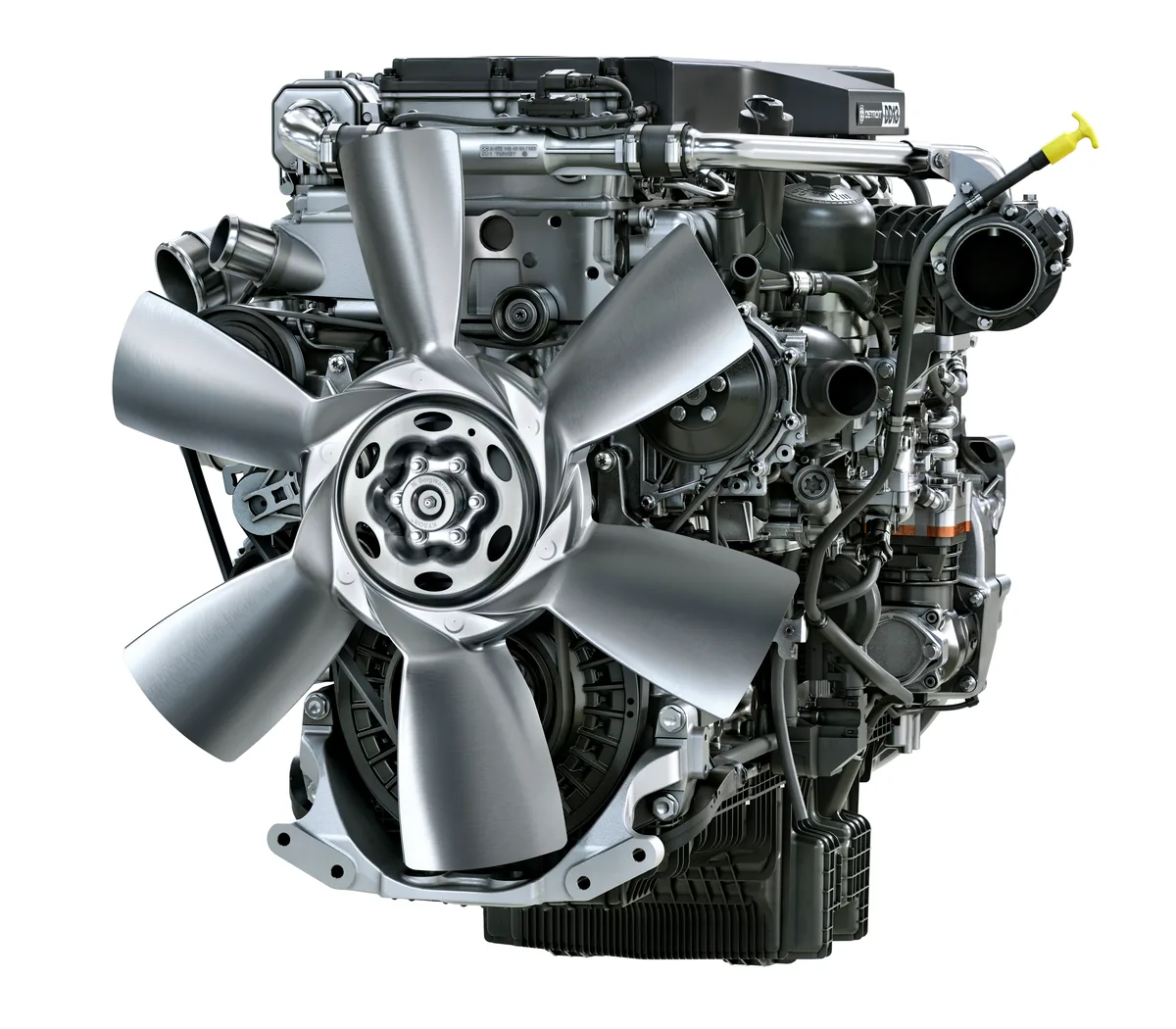
The 12.8-litre DD13 Gen 5 is published for the 47X at 370–525 HP and 1,250–1,850 lb-ft. Its vocational features include front and rear engine PTO provisions and thermal management intended to support aftertreatment performance during low-load work.
Select the horsepower and torque rating with the transmission, axle gearing, load and equipment demand. The model’s maximum engine torque is not compatible with every transmission choice; DT12-VL, for example, has a lower published input-torque limit.
Confirm the engine generation, exact rating and approved Canadian chassis combination on the proposal. Review the fitted emissions equipment and applicable maintenance requirements at handover.
Western Star’s 47X model information lists the 8.9-litre Cummins L9 at up to 380 HP. Its replaceable cylinder liners and variable-geometry turbocharger are relevant features for fleets considering the engine’s working and service requirements.
Confirm the exact horsepower and torque rating, transmission pairing and Canadian build availability. The L9 torque rating belongs to the selected engine specification; it should not be inferred from the DD13 maximum shown elsewhere on this page.
For municipal equipment, raised tank and aftertreatment packaging is described for eligible Cummins configurations. Review the actual layout with the plow, front PTO and body supplier.
The X12 appears in Western Star’s published 47X model information. If it is a requirement for your fleet, confirm current Canadian factory availability and the approved chassis and transmission combination before planning the build around it.
For an existing truck, use the VIN and installed engine identification to establish the actual specification and service requirements. A published engine reference does not establish the equipment fitted to an inventory vehicle or the orderability of a new chassis.
DTNA announced the opening of Detroit Gen 6 ordering on September 1, 2026, with production planned for January 2027. Its announcement includes the Western Star 47X. Published DD13 Gen 6 ratings are 410–525 HP and 1,450–1,850 lb-ft.
Treat this as a separate build-timing discussion from the DD13 Gen 5 figures on this page. Confirm Canadian order availability, engine rating, compatible transmission, chassis schedule and body completion timing with Sales.
An order announcement does not identify the engine in an existing inventory truck or confirm a delivery date for your finished vehicle.
The 12-speed DT12-V is designed for vocational use, with rear and bottom PTO provisions. Eligible operating features include Off-Road, Rock-Free and Paver modes to support particular working situations. Review which functions and PTO arrangements are included with the selected build.
The appropriate engine rating, gross combination weight and duty approval must be established for the actual transmission and chassis. Confirm them on the proposal rather than applying a general transmission family figure to every 47X.
At handover, review the installed controls, mode instructions and equipment interlocks. A working mode does not replace the body supplier’s operating procedures or the need to assess site conditions.
DT12-VL is a 12-speed vocational automated manual for eligible DD13-powered 47X configurations. Detroit describes it as approximately 125 lb lighter than DT12-V, with a maximum input torque of 1,650 lb-ft, an 80,000-lb gross combination weight limit and rear PTO capability only.
Those limits matter when pairing the engine and equipment. The VL cannot simply be combined with the DD13’s 1,850-lb-ft maximum rating, and its rear-only PTO provision may not suit equipment requiring another location. Confirm the complete approved combination.
The transmission weight comparison is a component figure, not a guaranteed payload increase. Its GCW limit also does not establish the completed vehicle’s GVWR or payload.
The published 47X range includes Allison 3000 and 4000 Series automatics, Eaton Fuller manual transmissions and Eaton Endurant automated-manual choices. Availability depends on the selected engine, application and current build programme.
Discuss loaded starts, close positioning, operator preference, road speed and equipment demand before choosing the transmission. Identify the required PTO location, output and operating conditions with the equipment supplier.
Review the exact model, rating and compatible controls on the quotation. Transmission families are alternatives to assess, not a promise that every engine and chassis can be paired with every listed unit.
Cab access, visibility & controls
Wide-opening doors, raised-tread steps and grab handles support entry to a cab designed for vocational use. The sloped hood, one-piece windshield and C-Bar mirrors help shape the view around the truck. Check that view with the completed body installed.
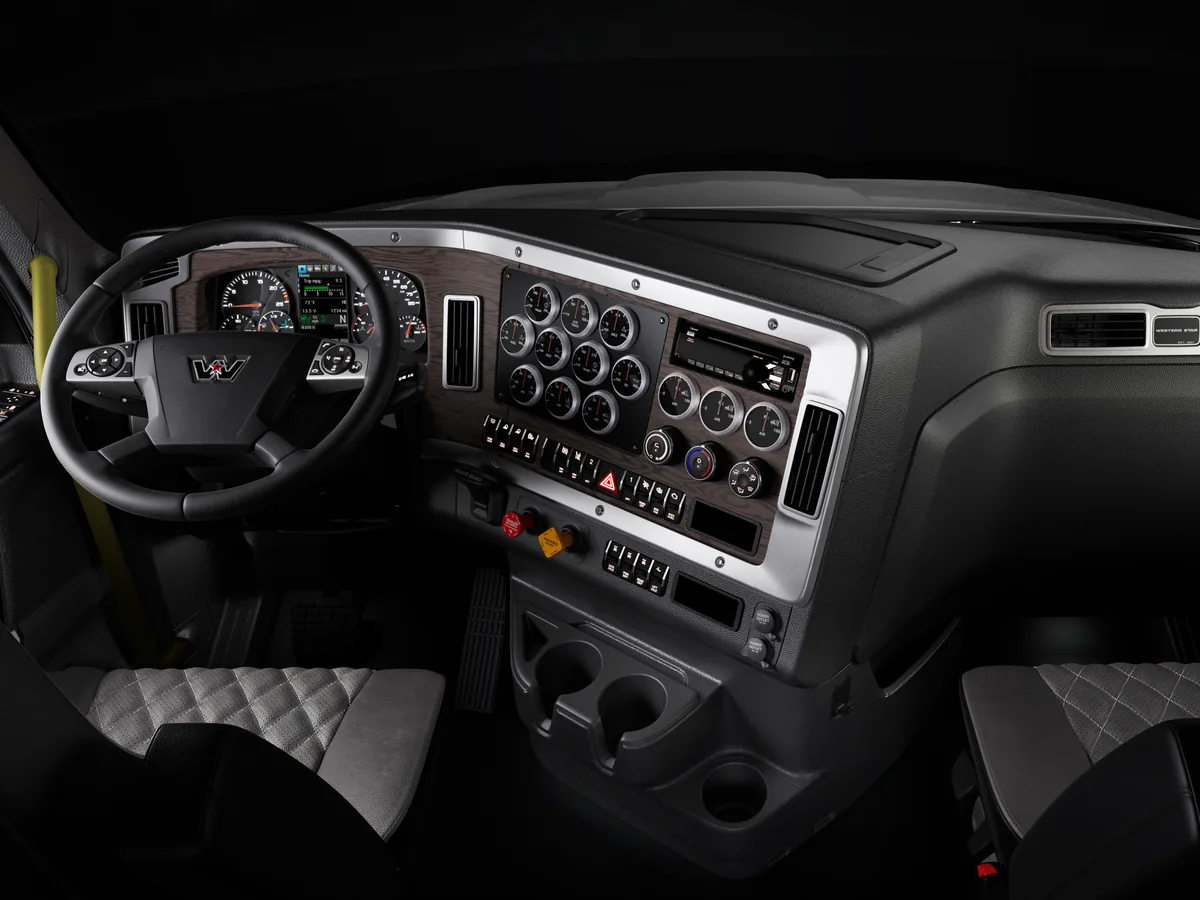
Inside, the Driver Command Center combines physical gauges with a central information display. Steering-wheel controls, a 7-inch touchscreen and configurable FlexPanel space help organize the vehicle, body controls and the devices used throughout the day.
Day cab & sleeper choices
The published 47X range includes a day cab, a 36-inch trench-style low-roof sleeper and a 48-inch mid-roof sleeper. Confirm the current Canadian configuration and finished equipment clearances.
A starting point for work that returns the operator at the end of the shift. Review the rear cab wall, window arrangement, control space and clearance to the mounted equipment.
Consider the smaller sleeper when the assignment needs overnight accommodation alongside vocational packaging. Work with the body supplier on over-cab equipment and the actual roof clearance.
Review the additional sleeper space against the wheelbase, body or trailer, and time spent away. Confirm the installed interior and storage rather than assuming larger X-Series sleeper features are included.
Detroit Assurance & driver support
Confirm each function on the truck being quoted. Driver assistance has detection and operating limits and supports an attentive operator who remains responsible for the vehicle.
Detroit Assurance Active Brake Assist 5 can warn of detected collision risks and apply braking in supported situations. DTNA’s 2024 vocational update expanded ABA 5 availability to third-party engines; confirm the installed package and vehicle specification.
Adaptive Cruise Control adjusts cruising speed to help maintain following distance. ACC to 0 mph is associated with eligible Detroit engine and transmission combinations. Third-party powertrain availability and low-speed operation differ, so review the actual function at handover.
Keep the sensors and camera areas maintained as instructed, and review warnings and limitations in the vehicle’s manual. System response is not a guarantee that every object or collision risk will be detected.
Available passenger-side warning equipment helps alert the driver to detected objects beside the truck. Review the fitted system name, sensors, coverage and alerts on the selected 47X, especially with the final body and accessories installed.
Lane Departure Warning provides an alert for a detected unintended lane departure in supported conditions. These warning functions do not establish active steering or automatic braking for a side hazard.
Use direct observation, mirrors and fitted cameras alongside the alerts. Weather, blocked sensors, road markings and equipment placement can affect what the systems detect.
On eligible equipped vehicles, Brake Hold can maintain service-brake pressure while stopped under its supported operating conditions. It is not a replacement for applying the parking brake before leaving the driving position.
Automatic headlights, wipers and high-beam functions may also form part of the selected equipment. Review their controls and operating conditions along with the truck’s other assistance features.
Include the completed body, mounted devices and normal work sequence in operator familiarization. The driver and equipment supplier’s procedures remain central to safely positioning and operating the truck.
Cameras & close positioning
Current X-Series interior information lists a standard rear camera and 7-inch touchscreen. Additional camera views and the Backup Alert proximity package require separate equipment confirmation.
Vehicle information & support
Confirm the truck’s hardware, supported services, account setup, included term and any subscription cost. Decide who uses the information and how the team responds.
Compatible Detroit Connect and Virtual Technician functions help communicate supported engine and vehicle concerns. Match the diagnostics service to the installed powertrain rather than assuming identical coverage for every engine.
Where supported and enabled, connected information can help the fleet review vehicle activity and safety events. Confirm the available functions and the account permissions appropriate to your operation.
Set a process for driver reports, warnings and repeat concerns. Bring the VIN, symptoms and equipment details to Service so the next inspection or repair can be planned with useful information.
47X specifications & working detail
Open the details relevant to your body, crew and duty cycle. Final ratings and equipment belong to the approved Canadian chassis and completed vehicle.
The standard 47X bumper-to-back-of-cab dimension is 111.6 inches. Western Star also describes a special bumper-mounting arrangement that reduces BBC to 110.8 inches. Confirm that option and its compatibility before using the shorter figure for body planning.
BBC is not wheelbase, overall length or a finished-body clearance. Review axle position, rear overhang, body length and any equipment ahead of or above the cab using the proposed chassis layout.
Include the truck’s road configuration and its working configuration. Cranes, mixers, plows and discharge equipment may need different clearances while operating.
The published 47X frame includes a 9.5-mm single-channel option described as approximately 100 lb lighter than an 11-mm frame. Choose the frame around the approved application and equipment requirements. The comparison is a frame-component figure, not a promised payload increase.
The X-Series layout uses a splayed front frame and a straighter arrangement behind the cab to create useful equipment space. Western Star’s frame-layout tools support planning around tanks, aftertreatment and other components.
Review mounts, reinforcements, clearances and service access with the body supplier. Do not assume individual component weight reductions will produce the same saving in a completed truck.
Select axle arrangements and application-appropriate suspension with the loaded vehicle in mind. Include the body, mounted equipment, consumables, occupants and the intended working load when reviewing axle distribution.
The 47X does not have one universal GVWR or payload figure for all configurations. Use the approved vehicle ratings and the actual completed weight. Adding individual axle ratings together is not a substitute for the vehicle’s certified rating.
For tractor applications, review the trailer and the approved gross combination weight as well. A transmission’s published GCW limit is a component constraint, not proof of the whole combination’s capacity.
Municipal and snow-removal planning may involve front PTO provisions, plow mounts, underbody equipment and access around the chassis. Western Star identifies raised fuel-tank and aftertreatment arrangements for eligible Cummins L9/X12 configurations.
Confirm the current Canadian engine and packaging combination, particularly if an X12 is requested. Review the actual component positions with the equipment supplier instead of assuming a raised arrangement applies to every powertrain.
Include snow accumulation, routine cleaning, inspection and repair access in the finished layout. Plan the truck’s other seasonal assignments at the same time.
Define the equipment’s power, speed, hydraulic and control requirements before choosing the PTO arrangement. The engine and transmission must support the required location and operating conditions; DT12-V and DT12-VL, for example, do not offer the same PTO locations.
QuickFit provides dedicated interfaces and configurable control options. CHEC supports configurable body and vehicle logic through qualified participants, while the optional in-cab E-Vault offers protected access for selected connections and controls.
Confirm the actual factory option content, equipment interlocks and wiring plan. Installation, engineering validation and commissioning still belong to the completed body-and-chassis project.
The 47X uses a steel-reinforced aluminium cab with steel doors, vocational cab isolators and a Quiet Steel engine-tunnel treatment. These features address a cab exposed to demanding working conditions and repeated movement through the day.
Doors open approximately 70 degrees, with grab handles and aluminium steps using raised tread. Review the actual access path with normal work footwear, clothing and the mounted body. Keep equipment and added controls clear of entry and exit.
Trench-style roof packaging can help address equipment above the cab, but it is not a universal crane or body-clearance guarantee. Check the approved roof, mounts and completed dimensions together.
The sloped hood, one-piece windshield and C-Bar mirror arrangement help organize the view around the vehicle. Reinforced mirror mounting and available rear-window arrangements are relevant details when choosing the cab and body combination.
Western Star lists dual-stage intelligent LED headlamps with heating grids. A windshield heater for the wiper-rest area is a separate option. Confirm the fitted heating and visibility equipment for the proposed Canadian build.
Review camera placement, plow or crane obstructions and sightlines around the finished body. Lighting and heated components still need appropriate cleaning, inspection and use in winter conditions.
The Driver Command Center combines physical gauges with a central information display, an adjustable steering column and steering-wheel controls. A 7-inch interactive touchscreen supports compatible functions and camera viewing.
FlexPanel provides configurable dash space for switches, gauges and devices. Plan body controls, the radio, route device and frequently used items around the operator’s actual work sequence. Review Base and Premium interior choices on the selected vehicle.
The 47X sleeper range is the 36-inch trench-style low roof and 48-inch mid roof. Larger 60- and 72-inch X-Series sleepers and their associated furniture arrangements are not part of the published 47X cab selection.
Current X-Series interior information lists a standard rear camera and 7-inch touchscreen, with up to three additional camera views available by equipment selection. Review the camera positions, display functions and the finished body installation.
The Backup Alert System adds a separate proximity-alert capability when equipped. Identify whether the proposal includes cameras, prewire or extensions, proximity hardware, and the required display integration.
These features do not establish stitched 360-degree imagery, video recording or automatic reverse braking. Confirm the actual functions and demonstrate their limitations during handover.
Detroit Connect can provide supported vehicle-health, location and safety information according to the fitted hardware and enabled services. Virtual Technician remote diagnostics apply to compatible Detroit-powered configurations. Confirm the appropriate diagnostic offering for a Cummins-powered truck separately.
Review account setup, included service term, subscriptions and fleet-user permissions before putting the truck into service. Choose who reviews warnings and who contacts the servicing location.
Combine connected data with driver reports, inspection findings and the body equipment’s own information. Remote information supports decisions; it does not replace a required inspection or repair.
The 47X hood opens widely and uses a locking strut; an optional fluid-check access hatch can support routine checks. Keep those access paths clear when planning the body, mounted accessories and equipment connections.
Set maintenance around the actual engine, transmission, chassis and body instructions. Distance, engine hours, stationary equipment work and calendar time can all matter in a vocational duty cycle. The longest published highway interval may not suit the assignment.
At handover, review daily checks, warning indicators, transmission modes, PTO and body controls, camera views and the parking routine. Identify the contacts for chassis, powertrain and specialized body work so the operator knows where to begin.
Plan your next 47X
A current truck specification, equipment proposal or description of the work is enough to begin. You do not need a finished order sheet before contacting Sales.
Share the application, body or trailer, normal load and loaded working cycle. Include road travel, terrain, constrained locations and time spent operating equipment.
Bring mounting, PTO, hydraulic, electrical and clearance requirements. Include the operator’s cab needs, controls and any sleeper requirement.
Discuss quantity, timing, Canadian build availability and the body completion plan. Confirm ratings, equipment, handover and support arrangements for the finished truck.
Truck & build enquiries
Review any listed 47X vehicles or contact Sales about the chassis, body and timing your operation requires. Confirm the installed equipment and completed specification for the actual truck being considered.
Inventory is being updated.
Ask our sales team about available and incoming units.
Francis Canada Truck Centre
Keep the chassis, powertrain and body information together. Our Sales, Parts and Service teams can help identify the next step, with specialized equipment work and supply arrangements confirmed for the actual vehicle.
Start with the job, body proposal and purchase timing. Discuss Canadian chassis availability, approved powertrain combinations and the requirements that matter to your operation.
Western Star 47X FAQs
Use these answers to prepare a discussion about the selected Canadian truck, body and operating requirements.
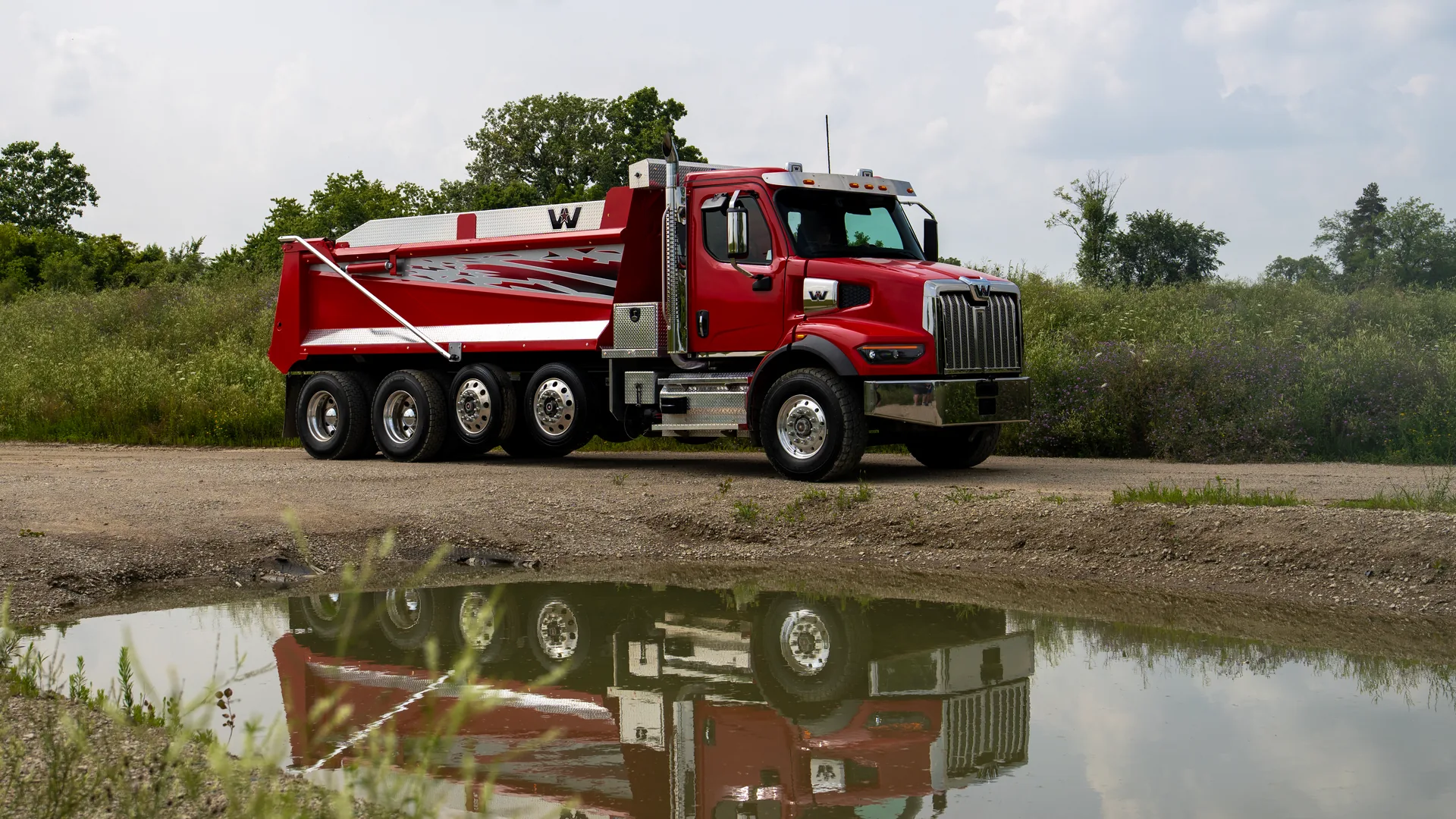
The 47X is a Class 8 vocational truck designed around applications such as dump, concrete, crane and material delivery, municipal work and bulk haul. Its short hood and configurable chassis support a discussion of the body, load and complete working cycle.
BBC means bumper to back of cab. The 47X’s standard published figure is 111.6 inches; it is not wheelbase or overall truck length. A special bumper arrangement is listed at 110.8 inches, subject to the selected configuration. Confirm finished dimensions with the body layout.
Both are identified vocational applications. The useful specification depends on body weight, intended load, axle distribution, equipment demand and the operating route. Review the chassis and completed body with the equipment supplier rather than treating one model rating as a universal payload.
Municipal and snow-removal equipment can be part of the build discussion. Review plow mounts, front PTO needs, underbody equipment and winter service access. Raised tank and aftertreatment arrangements are listed for eligible Cummins configurations; confirm the engine and actual chassis layout.
Published 47X information includes Detroit DD13 and Cummins L9, and also references Cummins X12. Confirm the current Canadian engine list, exact rating and approved transmission pairing before planning a new build around a specific option. Existing trucks should be checked by VIN and installed equipment.
The published DD13 Gen 5 range is 370–525 HP and 1,250–1,850 lb-ft. Western Star lists the L9 at up to 380 HP, with the exact torque rating confirmed for the selected engine. The maximum DD13 figures do not apply to every 47X or every transmission combination.
DTNA announced Gen 6 ordering on September 1, 2026, with production planned for January 2027 and the 47X included. DD13 Gen 6 is published at 410–525 HP and 1,450–1,850 lb-ft. Confirm Canadian availability, the compatible build and completed-truck timing with Sales; these figures do not identify current inventory equipment.
Both are 12-speed vocational automated manuals. DT12-V provides rear and bottom PTO provisions. DT12-VL is described as approximately 125 lb lighter, with rear PTO only, a 1,650-lb-ft input-torque limit and an 80,000-lb GCW limit for eligible DD13-powered builds. Confirm the full approved combination; neither a component weight saving nor a transmission limit establishes payload.
Allison 3000 and 4000 Series automatics appear in the published 47X range. Confirm the exact model, engine pairing, application approval and PTO provisions for the proposed Canadian truck. Eaton manual and automated-manual choices are also part of the published range.
The published choices include a 36-inch trench-style low-roof sleeper and a 48-inch mid-roof sleeper, alongside the day cab. Confirm the current Canadian build and the space needed by the body or trailer. The larger 60- and 72-inch X-Series sleepers are not listed for the 47X.
QuickFit provides dedicated electrical interfaces and configurable controls for body integration. CHEC supports configurable vehicle and body logic through qualified dealers and equipment manufacturers. Define the equipment functions, factory options and interlocks with the body builder, then validate the finished installation.
Review the fitted ABA 5 package, Adaptive Cruise Control operation, passenger-side warnings, lane alerts and Brake Hold. Current X-Series interior information lists a standard rear camera and 7-inch display; additional views and Backup Alert proximity equipment need separate confirmation. These systems support the operator and do not establish automatic steering or reverse braking.
Start with the application, body or trailer, intended load, route and equipment requirements. Include PTO and hydraulic needs, cab or sleeper preference, quantity and timing. A current truck specification or body supplier’s proposal is helpful, but a clear description of the work is enough to begin.
Walkaround
4 photos
Let’s plan the complete truck
Tell us about the job, the body and the timing. Our Ottawa sales team can help you take the next step toward a Western Star 47X specification that fits your operation.