A strong fit when…
- Your regional or highway routes are predictable
- CNG access or return-to-base fueling is dependable
- Annual distance and fuel use justify the investment
- Payload, tank packaging and qualified service support work together
Freightliner / Fifth Generation / Cummins X15N
Heavy-duty natural gas. Configured around your routes.
Model overview
Sales resources
Discuss specifications, body applications, availability, and ordering with our commercial truck team.
A practical fleet decision
Truckload, LTL, regional distribution, refrigerated transport and selected bulk-haul applications can all be candidates. Route predictability and dependable CNG access matter as much as engine output.
Purpose-built power
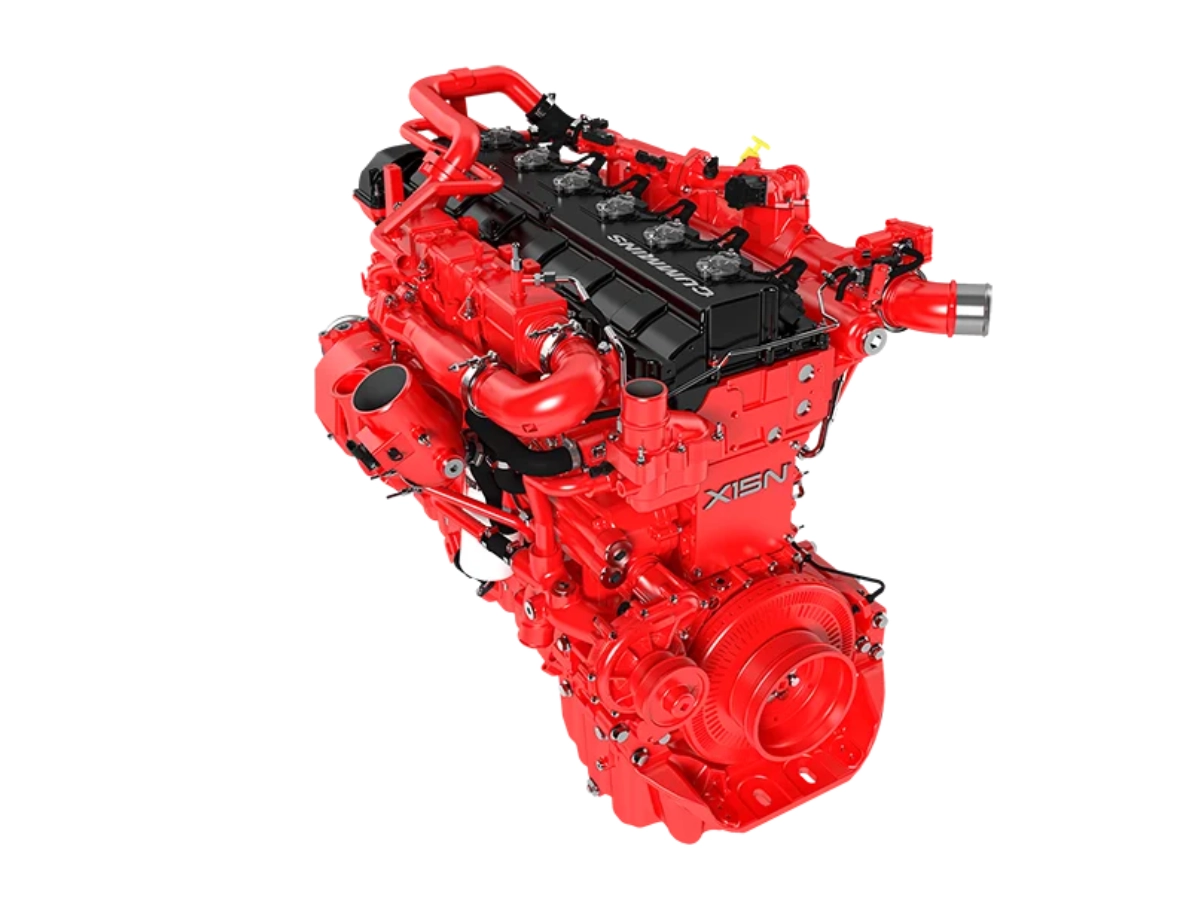
The X15N is a dedicated spark-ignited natural-gas engine, not a diesel conversion or a dual-fuel system. Its 15-litre platform is designed for heavy-duty and long-haul applications.
Choose the engine rating, transmission, axle ratio and fuel system as one package. Availability depends on the final Cascadia build.
Understand the fuel
The truck stores its fuel as compressed natural gas. The source of that gas determines its lifecycle carbon profile. This is a combustion-powered truck, not a zero-emission vehicle; RNG benefits vary by feedstock, production pathway and fuel documentation.
Fuel storage
Compressed natural gas is held at high pressure in the vehicle’s fuel system. Conventional CNG generally comes from fossil natural gas. Match the fuel and station specification to the engine’s requirements.
Fuel source
Renewable natural gas can be produced from captured organic waste, including landfills, wastewater and agricultural sources. Properly processed RNG can use the same CNG equipment. Ask the supplier for its source and carbon-intensity documentation.
Aftertreatment
The X15N uses a passive three-way catalyst instead of diesel particulate filtration and SCR dosing. There is no DEF to refill or DPF to regenerate. Engine, catalyst and fuel-system maintenance still apply.
CNG storage & fueling
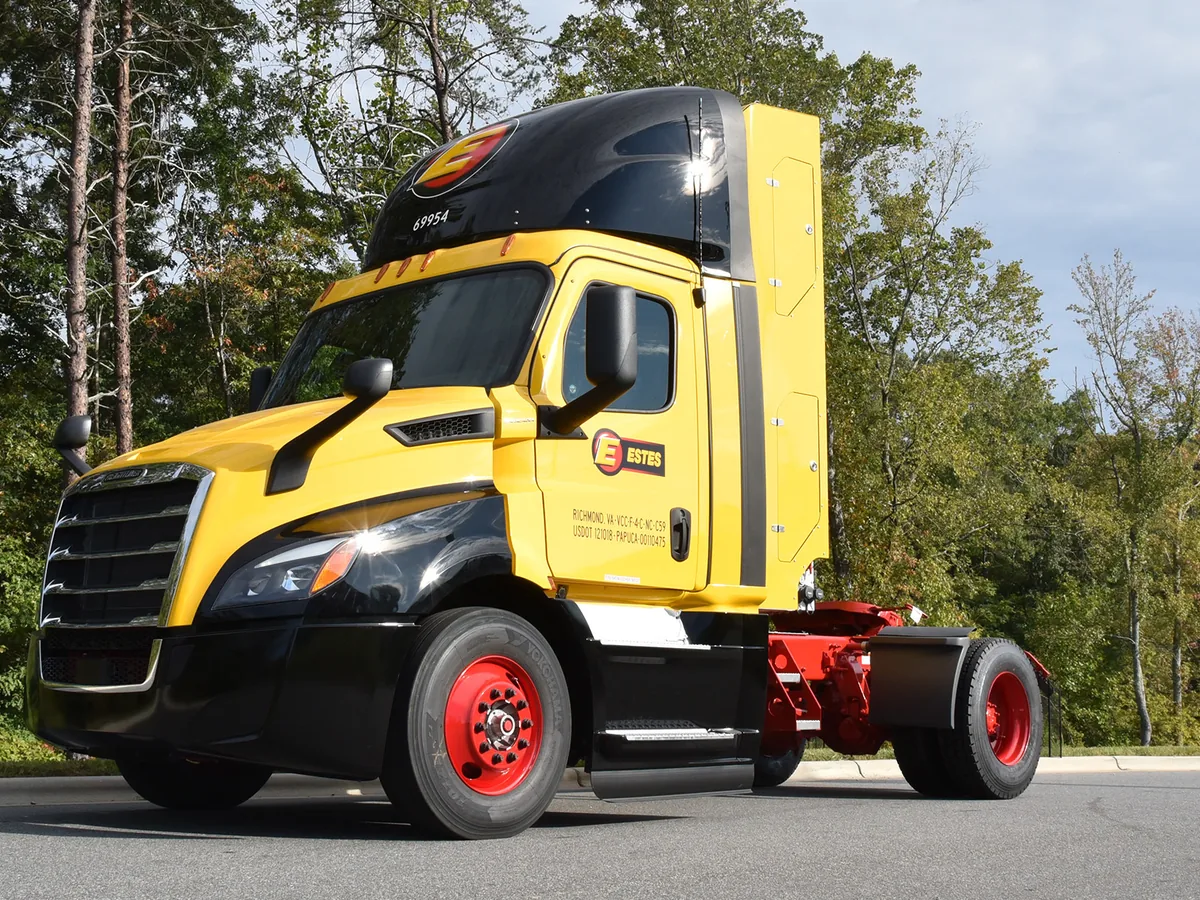
Frame-mounted and back-of-cab fuel-system preparation let compatible Cascadia configurations support different CNG packages. Capacity also affects wheelbase, fifth-wheel position, trailer clearance and payload.
There is no single range figure that suits every truck. Validate the selected fuel system against the routes before ordering.
Route, fuel & specification
Bring your operating data to Sales. A useful business case accounts for the whole route, including fueling time, infrastructure, maintenance and the truck’s working life.
Share annual kilometres, primary routes, payloads, trailer requirements, operating hours and return-to-base patterns. Establish the range you need between reliable fuel stops.
Compare public or private fueling, price on an energy-equivalent basis, fill times, backup stations and route deviations. Include infrastructure costs and documented RNG sourcing where relevant.
Match the engine rating, axle ratio, fuel capacity, wheelbase and cab. Then review driver equipment, service access, acquisition cost, financing preferences and replacement cycle.
Cab, comfort & aerodynamics
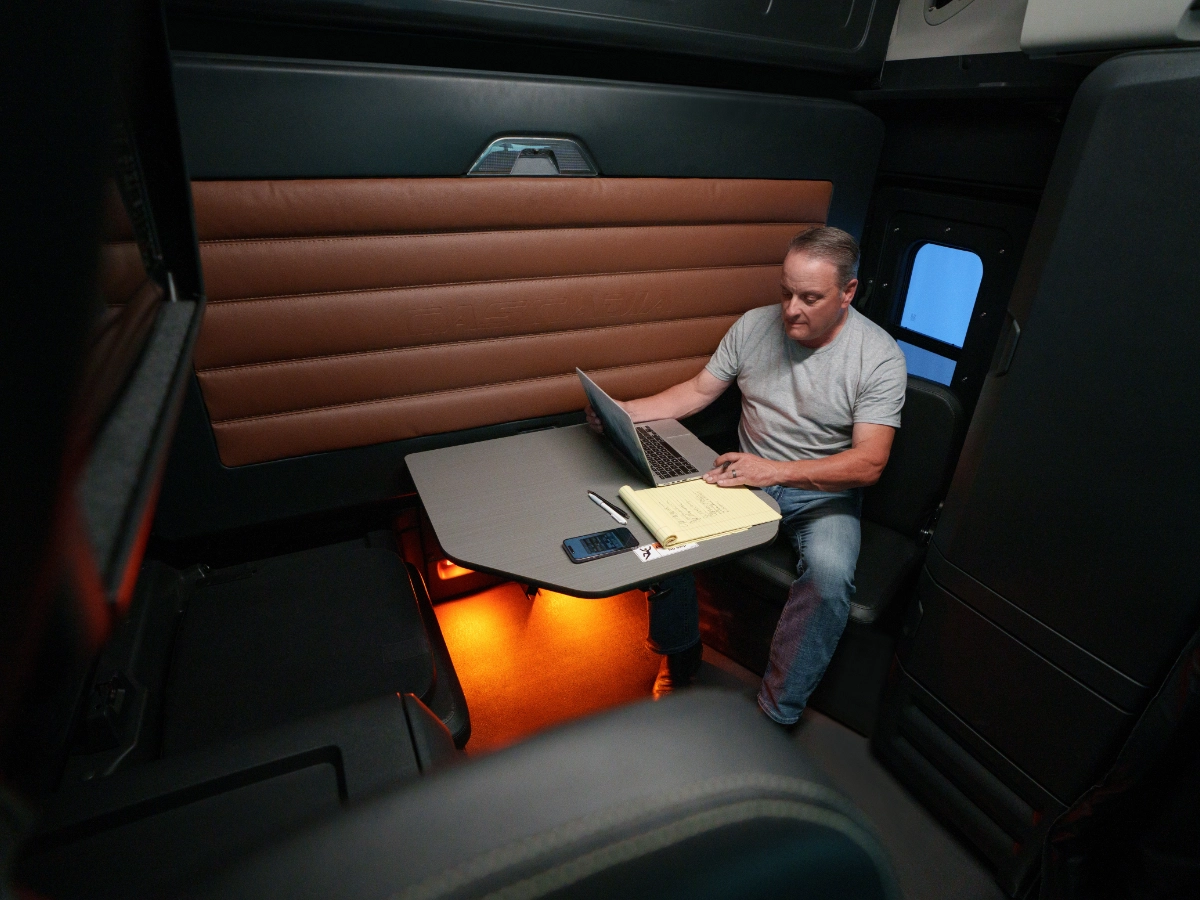
Choose a 126-inch BBC day cab for return-to-base work or a compatible sleeper for longer highway assignments. The Fifth Generation platform combines a practical driver environment with aerodynamic development.
Sleeper sizes, driver-assistance systems and connected services depend on the natural-gas configuration. Confirm the installed equipment for each build.
Explore the details
Open the topics that matter to your operation. Published specifications vary by model year, engine rating, cab, fuel package and final vehicle configuration.
The Cummins X15N is a purpose-built, six-cylinder, 15-litre spark-ignited natural-gas engine. Published ratings run from 400 to 500 horsepower and 1,450 to 1,850 lb-ft of torque. It is designed for heavy-duty regional and long-haul applications.
The engine can operate on conventional natural gas or renewable natural gas meeting the applicable fuel-quality specification. It is not a diesel conversion and does not switch between diesel and natural gas.
Select the rating with the route’s grades, speed, payload and efficiency priorities in mind. Confirm the model-year specification and applicable certification for the vehicle being ordered.
The available Eaton Cummins Endurant HD N is a 12-speed automated transmission designed for natural-gas powertrain operation. Its engine and transmission controls coordinate shifting, launch behaviour and low-speed manoeuvrability.
Compatible Cummins Clean Fuel Technologies systems provide CNG storage and delivery, with available fuel-management information and driver alerts. Remote transmission diagnostics and other connected functions depend on equipment and service support.
Transmission, axle and fuel-system availability must be confirmed for the complete Cascadia build. Rear-axle ratio, tire size and vehicle weight also affect how the powertrain performs.
The X15N produces very low nitrogen-oxide emissions and virtually no soot. Its passive three-way catalyst replaces the DPF and SCR/DEF strategy used on many modern diesel trucks. It does not require diesel exhaust fluid, DPF regeneration or scheduled DPF cleaning.
Simpler aftertreatment does not remove scheduled maintenance. Natural-gas engines require approved oil, spark-plug service and attention to the fuel system, catalyst and manufacturer’s maintenance schedule.
Very low NOx does not mean zero exhaust emissions. Any lifecycle greenhouse-gas claim must account for the fuel source and production pathway.
Freightliner lists the Cascadia Natural Gas on the 126-inch bumper-to-back-of-cab platform. Published cab choices include:
Use time away from base, trailer height, interior space and driver needs to narrow the options. Fuel-system packaging may influence wheelbase, fifth-wheel position and trailer clearance.
Confirm the selected cab, sleeper and fuel-storage combination before ordering. Vehicle weight and certified GVWR depend on the completed configuration.
A redesigned hood and grille, Max Aero Bumper and A-pillar deflectors help manage airflow around the Fifth Generation Cascadia. Available wheel-well closeouts, chassis fairings, cab extenders, roof treatments and drive-wheel covers depend on the build.
The best combination is application-specific. Cab height, trailer, wheelbase and tank placement all affect the complete aerodynamic specification. In particular, back-of-cab storage needs to be considered with cab extenders and trailer clearance.
Review the equipment available for the natural-gas chassis instead of assuming that every diesel Cascadia aero option transfers directly.
Available Cascadia equipment includes an interactive touchscreen, Apple CarPlay and Android Auto compatibility, steering-wheel controls, seating choices and practical storage. A tilt-and-telescoping steering column, HVAC equipment and thermal or acoustic insulation can support day-to-day comfort.
Sleeper configurations provide additional storage and living-space choices for longer assignments. Availability of parked HVAC and specific interior packages depends on the selected cab and natural-gas build.
Lighting, mirror and visibility equipment should be reviewed with the order. Confirm the installed systems rather than treating every platform feature as standard.
Freightliner lists select Detroit Assurance features for the natural-gas Cascadia. The complete diesel Cascadia safety suite should not be assumed to apply to an X15N build. Confirm the exact braking, warning, visibility and assistance functions with the vehicle specification.
Driver assistance supports an attentive, trained driver. It does not make the truck autonomous, and performance depends on operating conditions and sensor visibility.
Compatible Cummins connected services can support engine diagnostics and selected remote updates. Vehicle telematics, transmission diagnostics and fuel-system information depend on hardware, provider, subscriptions and integration. Review included services and ongoing costs when specifying the truck.
Fuel storage must support the intended route without adding unnecessary tank weight or compromising trailer clearance. Compatible frame-mounted and back-of-cab arrangements can affect wheelbase, fifth-wheel placement, chassis space and overall aerodynamics.
Range changes with fuel-system capacity, fill pressure, station performance, payload, elevation, highway speed, idling, temperature, wind and driver behaviour. Include a sensible reserve-fuel strategy.
Calculate expected operating range from the selected fuel system and duty cycle. Validate normal routes and backup stops before the vehicle is ordered; one universal range number is not a reliable purchasing guide.
CNG operations can use public stations, private fast-fill stations, time-fill systems or a combination. The right method depends on fleet size, dispatch patterns, daily return to base and required turnaround time.
Check commercial-vehicle access, station hours, fill pressure and speed, accepted payment arrangements and backup locations. Consider how fueling will affect driver hours and future route expansion.
Where RNG is part of the plan, clarify whether it is physically supplied or contractually matched and obtain the relevant source documentation. Fuel supply and station access need to be confirmed with the provider; the dealership does not guarantee a fueling network.
Cummins reports up to a 10% fuel-economy improvement over the preceding ISX12N natural-gas engine, depending on rating and duty cycle. This is a comparison with an earlier natural-gas engine, not a guaranteed saving against diesel.
Evaluate fuel on an energy-equivalent basis and use your annual kilometres and consumption. Include station or compressor costs, fueling time, route deviation, tank weight, payload, maintenance, acquisition cost and resale assumptions.
Local prices, fuel contracts and utilization can change the result. A lower advertised pump price alone does not establish a lower total operating cost. Confirm any available incentive separately before including it in the business case.
Natural gas does not gel, and the X15N does not use DEF. Winter readiness still matters: batteries, fueling receptacles, seals, air systems and other components need appropriate inspection and maintenance. Check winter station performance and access along the route.
Follow the current Cummins and fuel-system schedules for approved oil, spark plugs, cylinders and related inspections. CNG work requires appropriately trained personnel and suitably equipped facilities.
Before arranging service, contact the Service Department with the VIN and work required so current natural-gas capability, facility requirements and scheduling can be confirmed. Plan support along the operating route as well as at the home terminal.
Current inventory
Check current Cascadia Natural Gas availability, or speak with Sales about incoming trucks and factory ordering. Start with your cab, route and fueling requirements.
Inventory is being updated.
Ask our sales team about available and incoming units.
Francis Canada Truck Centre
Bring your route and payload requirements to our team. We can help develop the vehicle specification and identify applicable parts, warranty and service resources.
Compare the X15N rating, cab, fuel-system preparation and equipment around your operation. Review availability and ordering with our commercial truck team.
Buying & operating FAQs
Straightforward answers to help you decide what to review with Sales.
The Fifth Generation Cascadia Natural Gas uses the Cummins X15N, a purpose-built 15-litre natural-gas engine with published ratings of 400–500 horsepower and 1,450–1,850 lb-ft of torque. It is a dedicated spark-ignited engine, not a diesel conversion or dual-fuel system.
It can use conventional natural gas or RNG meeting the applicable fuel-quality requirements. CNG describes compressed storage on the vehicle; RNG describes the renewable source of the gas. Properly processed RNG can be compressed and dispensed through CNG equipment.
No. The truck has an internal-combustion engine and still produces exhaust emissions. RNG can reduce lifecycle greenhouse-gas emissions, but the result depends on feedstock, methane capture, processing, transport and the accounting method. Request documentation from the fuel supplier before making a specific environmental claim.
No. It uses a passive three-way catalyst rather than the diesel particulate filter and SCR/DEF system found on many diesel trucks. DEF refills, DPF regeneration and scheduled DPF cleaning are not required. The engine and fuel system still have their own maintenance schedules.
Freightliner lists 126-inch BBC day cab and sleeper configurations, including Mid-Roof XT and Raised Roof choices. Confirm the exact sleeper and fuel-storage package for the build. Long-haul suitability also depends on required range, dependable CNG access, payload and service support along the route.
There is no single range figure for every Cascadia Natural Gas. Fuel capacity, station fill, payload, terrain, speed, weather, idle time and reserve strategy all matter. Calculate the expected range using the selected fuel system and your actual duty cycle before ordering.
It depends on local pricing, supply contracts, annual distance and station access. Compare fuel on an energy-equivalent basis and include infrastructure, fueling time, route deviation, payload and maintenance. The strongest case is usually built around reliable routes and a coordinated truck, fuel and support plan.
Contact the Service Department with the VIN and the work required. The team will confirm current natural-gas service capability, facility requirements and scheduling. Natural-gas repairs require appropriate training, procedures and facilities; do not assume every truck shop can perform every CNG repair.
Walkaround
4 photos
Start with your operation
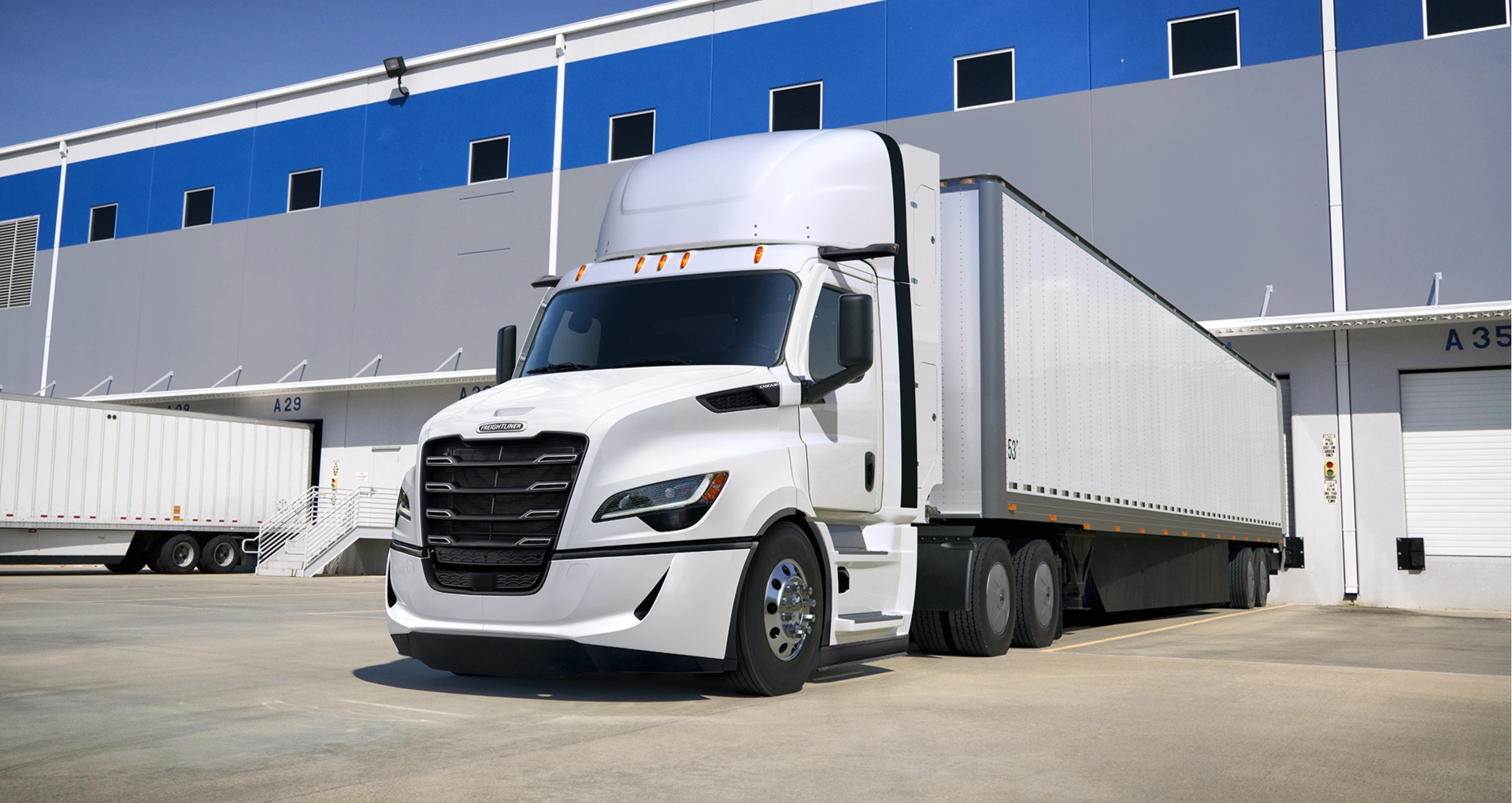
Tell us where the truck will run, what it will haul and how it will be fuelled. Our Sales Department can help turn those requirements into the right vehicle specification.