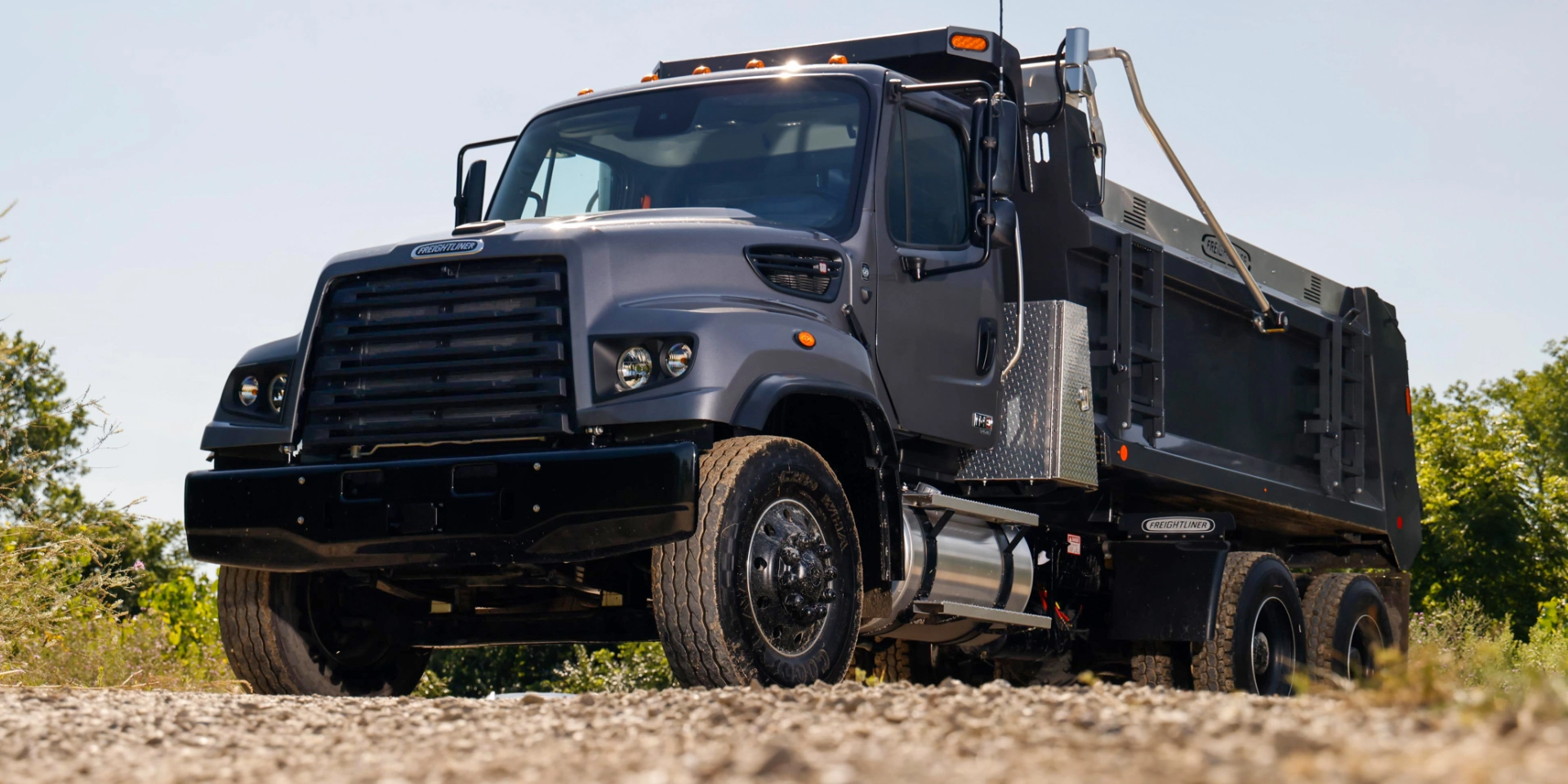
 Model one
Freightliner Trucks
114SD Plus
Built for the load. Ready for the job.
No available units currently listed
Change this modelSide-by-side model guide
Compare Freightliner and Western Star truck models side by side, review key specifications, and find the right platform for your operation.
The contenders
Published ranges describe the model family; final ratings and equipment depend on the selected configuration.
Model one
Freightliner Trucks
Built for the load. Ready for the job.
No available units currently listed
Change this model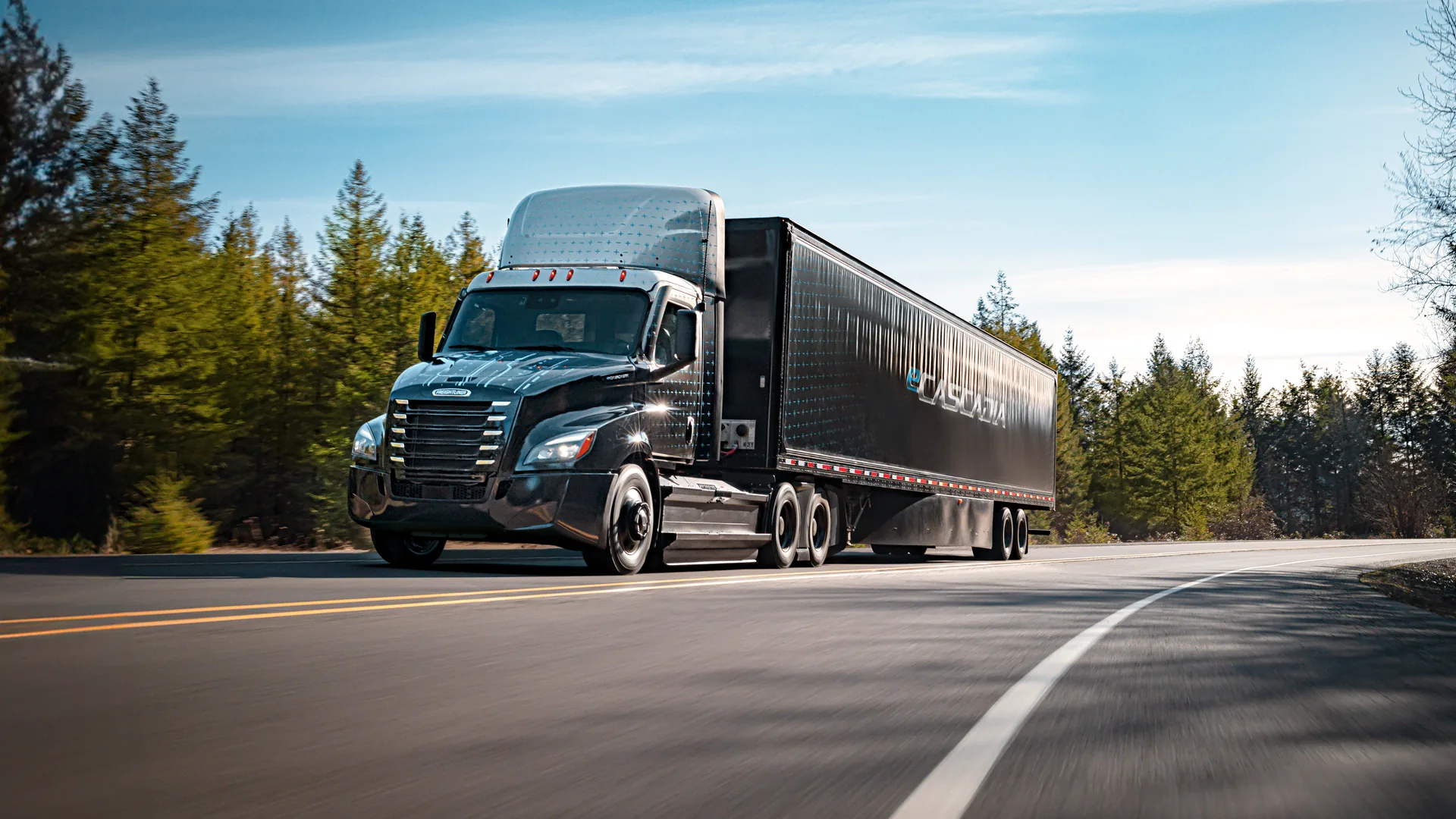 Model two
Freightliner Trucks
Electric power. Real freight. A new working day.
No available units currently listed
Change this modelSpecifications
“Not listed” means a value has not been published for that model. Contact our sales team for configuration-specific ratings.
Scroll horizontally to view both models on smaller screens.
| Specification | Freightliner Trucks 114SD Plus | Freightliner Trucks eCascadia |
|---|---|---|
| Core model information | ||
| Application | Class 7–8 Severe-Duty | Class 8 Battery-Electric Tractor |
| Horsepower | 260–525 HP | 320 / 395 / 425 / 470 HP |
| Torque | 720–1,850 lb-ft | Not listed |
| GVWR | Up to 92,000 lb | Not listed |
| Available inventory | 0 available units | 0 available units |
| Model highlights | ||
| Vehicle class | Not listed | Class 8 |
| Power source | Not listed | Battery electric |
| Day cab | Not listed | 116-inch BBC |
| Usable battery capacity | Not listed | 291 or 438 kWh; by configuration |
| Published model range | ||
| Vehicle class | Class 7–8 severe-duty | Not listed |
| Powertrain | ||
| Engine | Detroit DD13/DD8 or Cummins X12/L9; L9 subject to market and all choices to Canadian build confirmation | Detroit battery-electric ePowertrain; no combustion engine |
| Transmission | DT12-V/VL, Allison 3000/4000, Eaton Endurant HD/XD Pro or Fuller manual; by approved pairing | Transmission components integrated into the electric eAxle drive system |
| Fuel & emissions | ||
| Fuel | Diesel; separate natural-gas configurations require Canadian specification confirmation | Stored electrical energy; zero tractor tailpipe exhaust emissions |
| Cab & chassis | ||
| Day cab | 114-inch BBC | Not listed |
| Extended cab | 140-inch BBC | Not listed |
| Crew cab | 162-inch BBC; set-back front axle only | Not listed |
| Vehicle formats | Straight truck or tractor | Day-cab tractor |
| Maximum published wheel cut | Up to 50 degrees; depends on wheel equipment | Not listed |
| Front-axle layouts | Set-forward or set-back; crew cab set-back only | Not listed |
| Electric configurations | ||
| Drive configuration | Not listed | Single drive 4×2 or tandem drive 6×4 |
| Typical range by configuration | Not listed | 4×2 291 kWh: ~249 km; 4×2 438 kWh: ~370 km; 6×4 438 kWh: ~354 km. Typical, diminishing-load/regen applications; conditions vary |
| Maximum GCW by configuration | Not listed | 4×2: 65,000 lb; 6×4: 82,000 lb. Loaded tractor/trailer, not payload or GVWR; approved operation to be confirmed |
| Driver environment | ||
| Interior choices | Professional, Elite and Rugged | Not listed |
| Driver interface | Not listed | Two-screen digital dashboard, multifunction steering wheel and customizable LED-backlit switches |
| Body integration | ||
| Body electrical architecture | QuickFit with supported CHEC configuration | Not listed |
| Charging | ||
| Charging connection | Not listed | CCS1 DC; compatible equipment and site access required |
| Maximum charging power | Not listed | Up to 180 kW single-port or 270 kW combined dual-port; configuration and conditions apply |
The next step
Our team can help translate these model ranges into a truck specification built around payload, route, body equipment, driver needs, and lifecycle cost.